Best Coffee for Moka Pot: Complete Guide to Perfect Brewing 2025
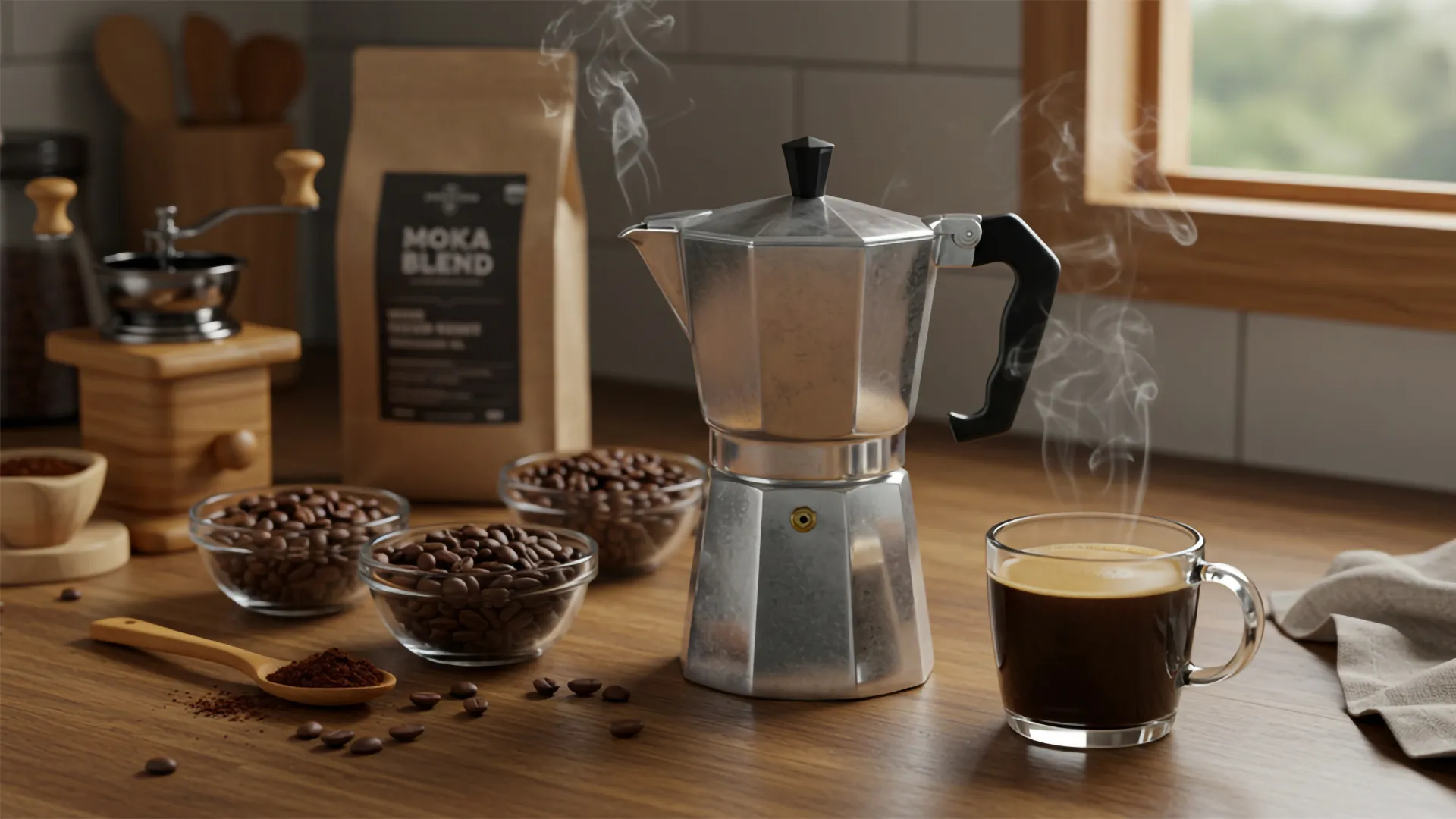
Most coffee guides overcomplicate Moka pot brewing. Here's what really matters for getting consistently great coffee from your stovetop brewer. [Sponsored by Balance Coffee UK]
\Most people get Moka pot coffee wrong from day one. They either burn it, make it bitter as medicine, or brew something so weak it tastes like dirty water. Here's the truth: the best coffee for a Moka pot isn't about expensive beans or perfect technique—it's about understanding what this little metal contraption actually does.
Your Moka pot makes strong, concentrated coffee that sits somewhere between drip coffee and espresso. Not quite either, but something uniquely satisfying when you get it right.
Understanding Your Moka Pot
Let's clear this up once and for all: your Moka pot doesn't make espresso. It can't. Real espresso requires 9 bars of pressure, while your Moka pot generates maybe 1.5 bars on a good day.
What it does make is intensely flavoured coffee that many Italians prefer over actual espresso for home brewing. Alfonso Bialetti figured this out in 1933 when he created the original design, which has remained essentially unchanged since.
The process is beautifully simple: water heats in the bottom chamber, creates steam pressure, and forces itself up through coffee grounds into the top chamber: no electricity, no complex mechanics—just physics doing its thing.
Why choose the Moka pot over other brewing methods? It's dead simple, nearly indestructible, and makes consistently strong coffee without the $500+ price tag of decent espresso machines.
Choosing the Right Coffee Beans
Here's where most guides get precious about single-origin this and artisanal that. The reality? Your Moka pot works best with coffee that can handle heat and pressure without falling apart.
Medium to dark roasts work better than light roasts. Light roasts often taste sour and underdeveloped in Moka pots because the brewing method doesn't extract their delicate flavours properly. You want beans that have been roasted long enough to develop oils and deeper flavours.
For optimal results, look for organic coffee designed for stovetop brewing. These typically have the right balance of acidity and body that Moka pots excel at handling.
Arabica vs. Robusta: Pure arabica gives you cleaner, more complex flavours, while blends with some robusta add body and that slight bitterness many people associate with Italian coffee. Don't be afraid of robusta—it's what many Italian households actually use.
Fresh beans matter more than expensive beans. Coffee loses flavour rapidly after roasting, so buy from roasters who date their bags and use them within 2-3 weeks of roasting.
Getting Your Grind Size Right
This is where most people typically make mistakes. Coffee shops often grind Moka pot coffee too fine (like espresso) or too coarse (like drip), and both will ruin your brew.
The sweet spot: Slightly finer than table salt, coarser than powdered sugar. Think kosher salt texture. If you're buying pre-ground coffee, look for packages labeled explicitly for Moka pot or stovetop brewing.
Too fine, and you'll get over-extraction, bitterness, and possibly a clogged filter that makes your Moka pot sputter angrily. Too coarse, and your coffee will taste weak and watery because the water rushes through without extracting enough flavour.
Pro tip: If you're grinding at home, aim for about 15-20 seconds in a blade grinder, or setting 6-8 on most burr grinders. Adjust based on taste—if it's bitter, go coarser; if it's weak, go finer.
Step-by-Step Brewing That Works
Most brewing guides make this sound complicated. It's not.
Fill the bottom chamber with water just below the safety valve. Use hot water from the tap to speed things up and prevent that metallic taste some people complain about. Add coffee to the filter basket and level it gently with your finger. Don't tamp it down like espresso—just level it. Tamping creates resistance that can cause problems.
Screw everything together firmly, but not too tightly. You want a good seal without stripping threads. Heat on medium-low. This is crucial. High heat can burn coffee and make it bitter. You want steady, gentle pressure building up, not violent bubbling.
Listen for the gurgle. When you hear that distinctive burbling sound, your coffee is done. Remove from heat immediately—letting it continue cooking will make it bitter. The whole process takes 4-6 minutes. If it's taking much longer, your heat is too low. Much faster, and it's too high.
Common Mistakes That Ruin Your Coffee
- Using boiling water: This shocks the coffee and extracts bitter compounds. Start with hot tap water instead.
- Cranking the heat: High heat burns coffee. Period. Medium-low is your friend.
- Letting it bubble forever: That gurgling sound means it's done. Continuing to heat it just concentrates the bitter compounds.
- Overfilling with water: Water above the safety valve can cause a dangerous pressure buildup and result in weak coffee.
- Neglecting maintenance: Old coffee oils turn rancid, making everything taste off. Clean your Moka pot after every use.
Enhancing Your Moka Pot Experience
Want to level up your Moka pot game? Try these techniques that actually make a difference:
Bloom your coffee: Add a tiny bit of hot water to the grounds before assembling. This releases CO2 and can improve extraction. Pre-heat your water: Starting with hot water prevents that metallic taste and speeds up brewing.
Experiment with specialty coffee blends designed for Moka pots. These are often roasted and blended specifically for this brewing method. Cool the bottom chamber under cold water when brewing is done. This stops extraction immediately and prevents over-cooking.
Choosing the Right Moka Pot
The original Bialetti Moka Express remains the gold standard. It's affordable, reliable, and has decades of proven performance. The aluminum construction heats evenly, and the design hasn't changed because it doesn't need to.
Size matters: Buy based on how much coffee you actually drink, not how much you think you might want. A 3-cup Moka pot makes about 6 oz of coffee—enough for one large mug or two small cups.
Aluminum vs. stainless steel: Aluminum heats more evenly and is traditional, but stainless steel is compatible with induction cooktops, and some people prefer it for health reasons. Both work fine.
Skip the expensive variants. Electric Moka pots, ones with pressure gauges, or other "improvements" usually just add complexity without improving the coffee.
Maintenance and Troubleshooting
- Clean after every use with warm water and mild soap. Avoid placing aluminum parts in the dishwasher, as it can damage the finish and alter the taste.
- Replace the gasket and filter annually or when they show wear. These parts are cheap, and replacements keep your Moka pot brewing properly.
- If your coffee tastes bitter, it's likely due to one of three issues: your grind is too fine, your heat is too high, or you're over-extracting. Try a coarser grind first.
- If it's weak and watery: Grind finer or check that your gasket is sealing properly.
- If it's taking forever to brew: Heat is too low, or you might need to descale if you have hard water.
The best coffee for your Moka pot isn't about finding the perfect bean or mastering complex techniques. It's about understanding what your little aluminum friend does best and working with it, not against it. Get quality beans from a reliable supplier like Balance Coffee, grind them right, heat them gently, and listen for that beautiful gurgle that means your coffee is ready.
Most importantly, don't overthink it. The Moka pot was designed for everyday people to make good coffee at home without fuss. Once you get the basics down, you'll wonder why anyone makes it seem so complicated.
Frequently Asked Questions
Q: Can I use pre-ground coffee from the grocery store?
A: Yes, but look for coffee specifically ground for Moka pot or stovetop brewing. Avoid espresso grinds (too fine) or drip grinds (too coarse).
Q: How much coffee should I use?
A: Fill the filter basket level to the top, but don't pack it down. This usually works out to about a 1:7 or 1:8 coffee-to-water ratio.
Q: Why does my coffee taste metallic?
A: Usually from starting with cold water in an aluminum pot. Pre-heat your water or try starting with hot tap water.
###30###