Mario Kart Economics & The Chocolate Value Chain | #PodSaveChocolate Ep 139
Episode 139 takes a look at “Mario Kart Economics,” if and how they can be applied to the chocolate value chain, and what they can mean for cocoa farmers and chocolate fans of all flavors.
When and Where to Watch
Links below to watch LIVE and to view the archived episode.
Click on this (shareable) link to watch on YouTube. Please subscribe (free!) to the @PodSaveChocolate YouTube channel, like this video, comment, and share this episode to help grow the #PSC community.

Watch and comment LIVE or view the archived episode on LinkedIn. Join my network on LinkedIn to receive notifications and to refer business to each other.

Watch and comment LIVE or view the archived episode on TheChocolateLife page on Facebook (for 30 days, then watch the archive on YouTube).
Follow TheChocolateLife on Facebook to receive notifications and catch up on other content.
Episode 139 Overview
“Mario Kart Economics” (“MKE”) is a metaphor for how random advantages and disadvantages can affect outcomes in competitive environments. MKE refers to the in-game balancing system often called “rubber-banding, ”where players who fall behind receive better power-ups, helping them catch up and keeping races competitive.
The concept of rubber-banding coupled with balancing mechanics was developed by Nintendo’s game design teams; no single individual is credited with inventing the economic metaphor.
In economics and social policy, MKE describes systems that try to level the playing field by giving more help to those who are behind and fewer advantages to those already ahead. It’s often used to discuss:
- Redistribution
- Randomness
- Competition
This episode of Pod$aveChocolate will explore applications of MKE principles in the chocolate value chain ⋯ from cocoa farmers through the distribution chain to consumers.
Why? I have to admit that I have never played Mario Kart. Ever. But I know my daughter and many of her friends do, and I know there are generations of people who are very familiar with Mario Kart game mechanics.
My hypothesis: Explaining issues in the chocolate value chain in terms of MK game mechanics is a way to get hundreds of millions of MK fans to better understand (and to care about) what’s at stake and how they can change the status quo by making different choices when they purchase chocolate.
For Example
Here’s a take on Ghana’s COCOBOD through the lens of MKE: Ghana’s COCOBOD is a rubber band ⋯ in one direction, up the value chain. Ghana is formally democratic, yet its cocoa economy functions like an autocratic enclave:
- Monopsony purchasing power. By law, COCOBOD is the single legal buyer of cocoa; farmers cannot shop around for better prices.
- State-fixed producer price behaves like a throttle. When world market prices exploded in 2023-24, the board raised farm-gate prices only modestly in proportion, keeping growers well behind the global “leaders” who captured the bulk of the windfall.
- Conflict of interest. The Ghanaian government has plans to own 200,000Ha of cocoa plantations, making the regulator a competitor in the same race, effectively letting the front-runners set the item box distribution for everyone else, avoiding encountering blue shells for themselves.
The TL;DR: COCOBOD’s version of rubber-banding runs upward: the state absorbs surplus, channels it to urban budgets or debt service, and offers farmers only small consolation boosts (fertilizer subsidies, price-stabilization rhetoric). The lagging smallholder farmers receive neither real bargaining power nor blue-shell leverage; the rules keep them permanently in the back third of the pack.
A robust democracy behaves like Mario Kart with balanced rubber-banding: just enough level-ups to keep the race competitive, but not so much (and many) that skill and innovation cease to matter. Autocratic structures (e.g., state-dominated commodity boards such as in Ghana’s cocoa sector), invert, disable, or cripple open market mechanics, locking in the lead and converting power-ups into tools for regime maintenance rather than social mobility.
Comparative Take-aways |
||
|---|---|---|
| Mario Kart Mechanic | Democracy | Autocracy / COCOBOD-style sector |
| Blue shell that targets leader | Independent judiciary & media constrain executive | Security forces and censorship neutralize threats |
| Item boxes that give laggards stronger tools | Elections, social safety nets, equal-time media rules | Patronage hand-outs; access controlled by ruling elite |
| Dynamic speed adjustment | Progressive taxation, antitrust, campaign limits | State monopolies, price‐fixing that lock farmers into low speeds |
| Track layout & rule transparency | Constitution plus open legislative debate | Opaque decrees; regulator is also racer |
Why “Fair” trade programs can still feel like banana peels to farmers
- Mismatched supply vs. demand for “ethical” cocoa
Retail brands can badge only a fraction of SKUs as Fairtrade or LID (Living Income Differential)-compliant. Once that quota is filled, extra certified beans revert to conventional channels. - Static, monopsony pricing structures
Where one buyer (COCOBOD or a Fairtrade-licensed exporter) sets the farm price, any upstream cost or risk is easily passed down, while windfalls can be withheld. - Program costs rise with inflation
Audit fees, bank charges, co-op staff, fertilizer, and transport costs have soared. If the premium stays fixed, its real value shrinks. - Market workarounds by multinationals
When premiums bite, grinders reformulate blends or hedge earlier, diluting the policy’s market share.
Why are Blue Shells Controversial? (And what can we learn from this controversy when applying these principles to the chocolate value chain?)
- For leaders:
It can feel unfair to skilled players who have built a strong lead, only to lose it due to an item they can’t easily defend against. - For others:
It adds excitement and a sense of possibility for those not in first, making the game more accessible and fun for all skill levels.
More MKE Resources
 Jessica Colarossi
 Matthew Gault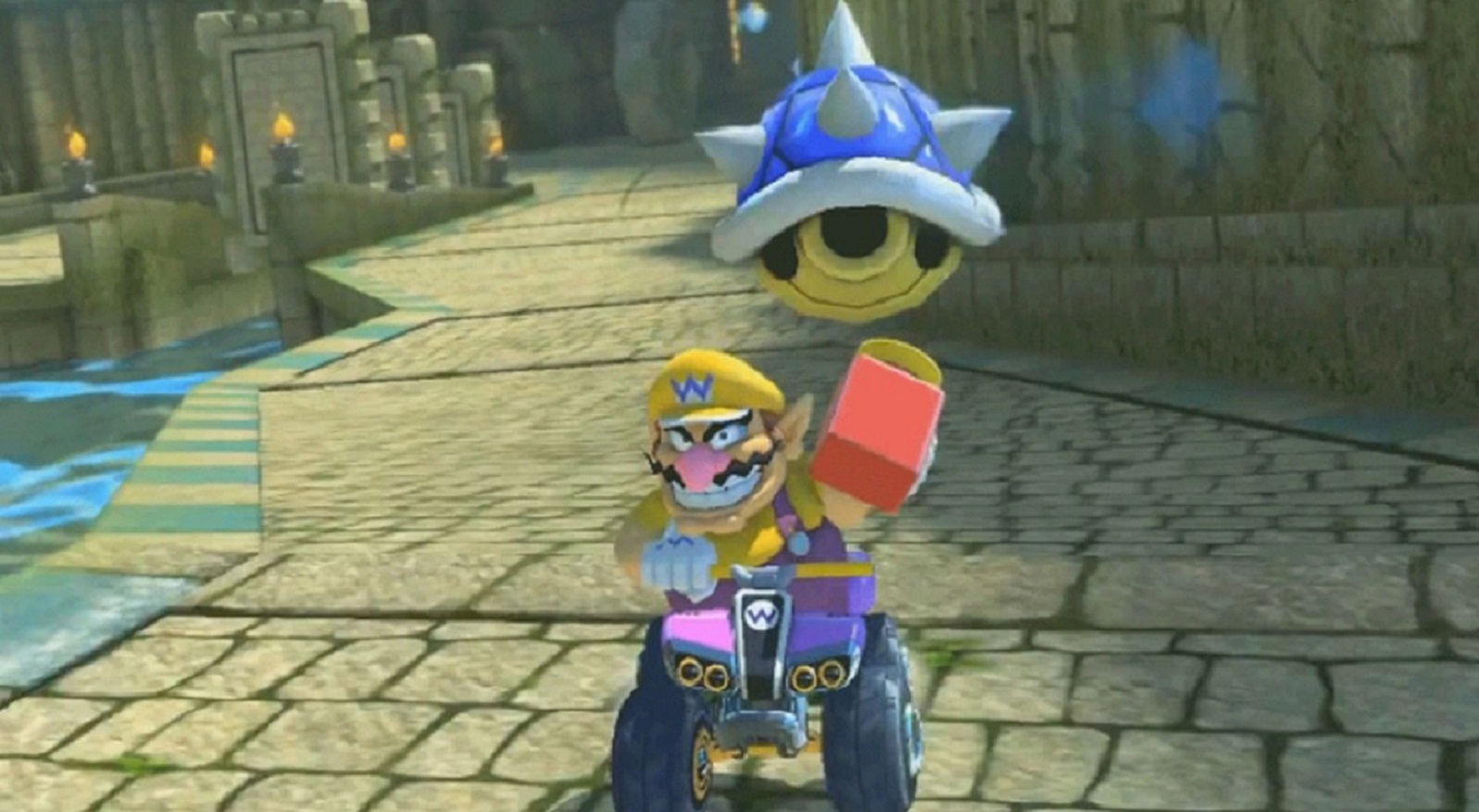
 Antoine Mayerowitz
Deep maths – but fun! (And can help select your optimum driver/cart/glider/tires.)
Questions?
If you have questions or want to comment, you can do so during the episode or, if you are a ChocolateLife member, you can add them in the Comments below at any time.
Episode Hashtags and Socials
#MarioKart #MarioKartEconomics #MKE (not MK Ultra)
#cocoa #cacao #cacau
#chocolate #chocolat #craftchocolate
#PodSaveChoc #PSC
#LaVidaCocoa #TheChocolateLife
Future Episodes
#PodSaveChocolate and #TheChocolateLifeLIVE Archives
To read an archived post and find the links to watch archived episodes, click on one of the bookmark cards, below.
 Clay Gordon
 Clay Gordon


Audio-only podcasts