Oops! They’re At It Again: CR’s Love Affair With Lead | #PSC 157
With apologies to Britney Spears, this episode takes a look at Consumer Reports’ recent reporting on heavy metals in protein powders and protein shakes, comparing it with past reporting on baby foods and chocolate products. [updated]
When and Where to Watch
Links below to watch LIVE and to view the archived episode.

Click on this (shareable) link to watch on YouTube. Please subscribe (free!) to the @PodSaveChocolate YouTube channel, like this video, comment, and share this episode to help grow the #PSC community.

Watch and comment LIVE or view the archived episode on LinkedIn. Join my network on LinkedIn to receive notifications and to refer business to each other.

Watch and comment LIVE or view the archived episode (for 30 days from the date of the livestream; thereafter on YouTube) on TheChocolateLife page on Facebook. (Follow TheChocolateLife on Facebook to receive notifications and catch up on other content.)
Episode 157
It started with baby food back in 2018 (with an update in 2023):
 Jesse Hirsch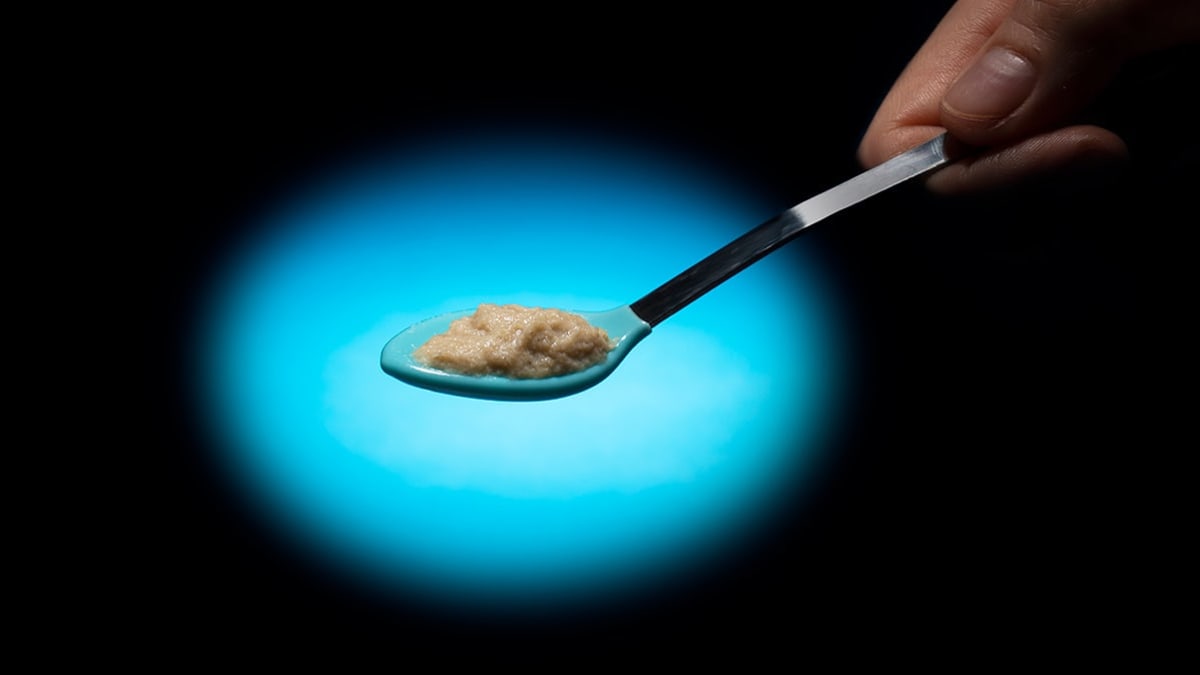
Several years after the first baby food study, Chapter 2’s focus (Feb 2023 with an update in October) was chocolate (with a 2025 mini update guide to healthy chocolate, which has links to other CR stories):
 Kevin Loria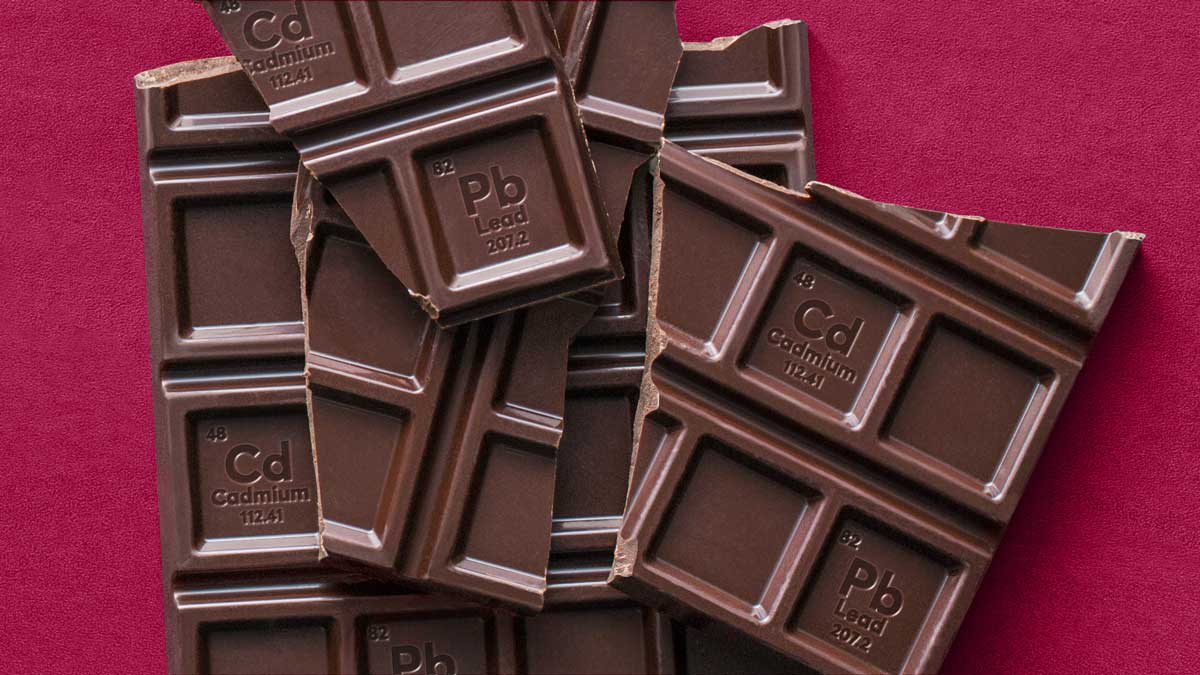
Earlier this year, Chapter 3 set its sights on protein powders and protein-enhanced shakes.

 Paris Martineau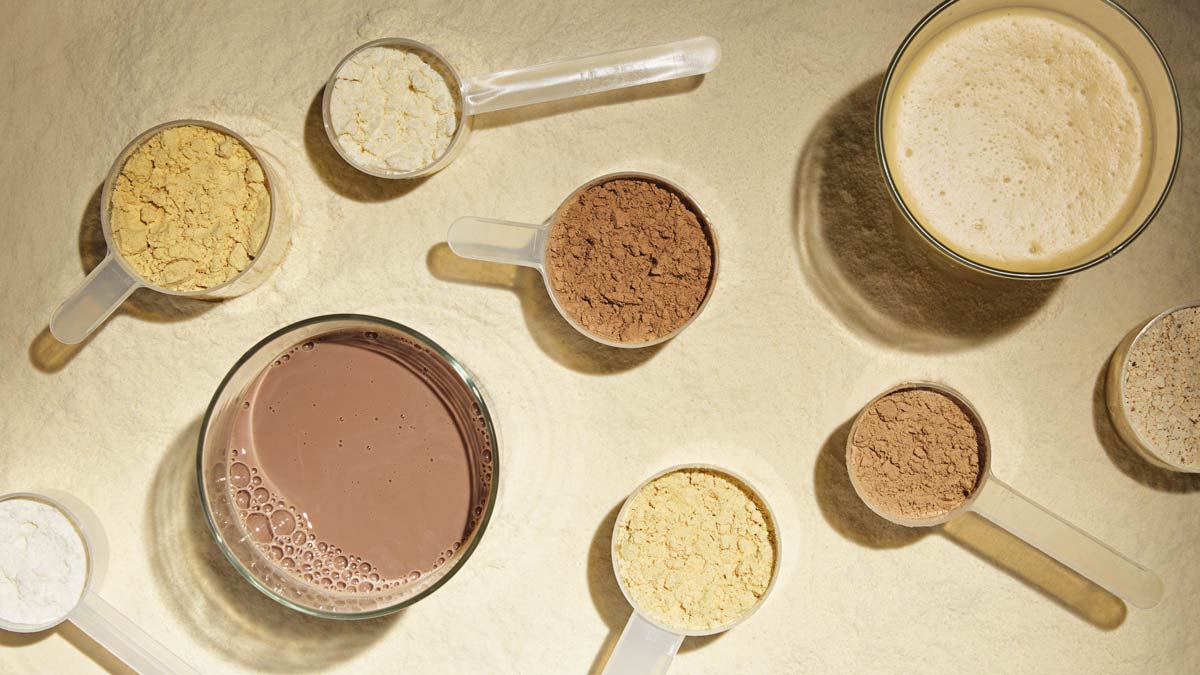
The link to the reporting.
Some Background
Behind CR’s kerfuffling (ahem, reporting) is California’s Prop 65, also known as the Safe Drinking Water and Toxic Enforcement Act of 1986. Prop 65 established warning requirements for exposures to chemicals known to cause cancer or reproductive harm. California’s OEHHA (Office of Health Hazard Assessment) set the MADL (Maximum Allowable Dose Level) for lead at 0.5 µg/day in 1989.
ChocolateLife member Keith Ayoob and I have written several posts and hosted podcast episodes covering CR’s reporting on lead and cadmium in chocolate and cocoa, so I am not going into great depth on cadmium here; below are the links should you be interested in reviewing them.
In the following titles, cadmium is used as shorthand for heavy metals, which includes lead, arsenic, and others.
 Keith Ayoob
 Keith Ayoob
 Clay Gordon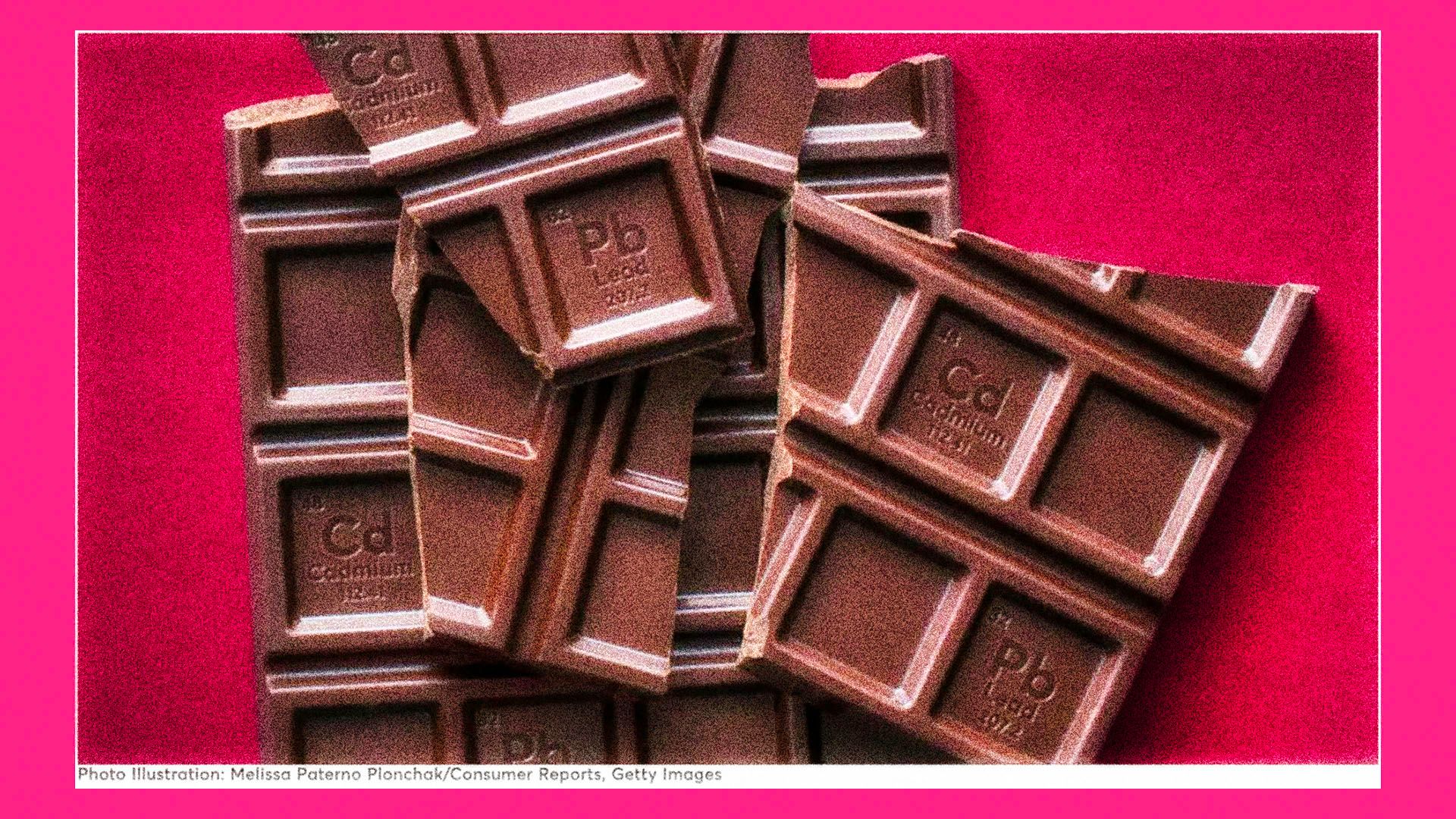
 Keith Ayoob
And, most recently:
 Keith Ayoob
Link to study published in Food Research International: Occurrence of heavy metals coupled with elevated levels of essential elements in chocolates: Health risk assessment. Read the post comments for more.
One TL;DR takeaway from the above study: “Dark chocolates contained significant levels of Cu, Fe, Mn, Mg and Zn that can also restrict bioavailability of Cd and Pb.”
Et Tu, Protein Powder?
That is the topic to be discussed in this episode.
Teaser TL;DR Question: — The protein source most associated with elevated levels of heavy metals in protein powders and shakes is ...?
Before continuing, I feel it’s important to review the difference between Hazard and Risk. Understanding this difference is critical to my discussion.
➡️ Hazard is a potential source of harm; risk is the chance and severity of that harm.
A hazard is the inherent property or situation that can cause adverse effects, like lead in cocoa powder or a wet floor.
Risk is the combination of how likely that harm is to occur and how serious the consequences would be, given exposure and controls. You manage risk by reducing likelihood or severity (e.g., limiting exposure, using PPE, setting limits), but you can’t always eliminate the underlying hazard.
Think of it this way: hazard answers “what could go wrong?”, while risk answers “how likely, and how bad?”
[talking points]
- I am not a doctor (nor am I a lawyer). I am not giving medical advice: I am giving my opinion of the report.
- There is no agreed-upon NOAEL (No Observed Adverse Effects Level) for lead. Lead is toxic, even when consumed in small quantities. Lead absorption is also cumulative; the body’s ability to eliminate lead that has been absorbed is very limited.
- What does CR hope to achieve? Influence the FDA to develop regulatory guidelines.
- Peas are the protein source most associated with elevated levels of heavy metals in protein powders and shakes.
- Study Goals: “To evaluate the quality, safety, and associated health risks of commercially available protein supplements by determining the levels of protein; the heavy metals arsenic, cadmium, lead, and mercury; and 19 additional elements.” Note – “We tested for inorganic arsenic [only] when our test results for total arsenic exceeded our level of concern. Neither mercury nor the 19 other elements we tested for were detected at or above levels of concern in any of the products.”
- CR’s “Level of Concern”: Is essentially synonymous with California’s OEHHA MADL levels.
- Methodology 1: Obfuscation by over/underexplanation. All of the Exposure limits are in mcg/day; ppb is irrelevant, and bw/d is not explained.
- Methodology 2: Obfuscation by splitting attention. Exposure limits are on page 1, results are on pages 3 and 4, requiring readers to constantly go back and forth.
- Methodology 3: The results in the table are presented in alphabetical order. The report title (Protein Powders and Shakes Contain High Levels of Lead) is lead-centric so it makes more sense (to me) to sort the table by highest > lowest on lead contamination.
- Methodology 4: There is no attempt to determine what percentage of the amount of lead is due to any chocolate (12 of 23 samples) that might be in the product. Note – I did some quick analysis, and there does not appear to be any clear correlation. This assessment is challenging because it would be necessary to know and test the chocolate/cocoa ingredient independently. This would require manufacturers to reveal the source(s) of those ingredients. Ironically(?): cocoa often contains many elements that inhibit the metabolism of lead.
- Methodology 5: There is no discussion of common confounding factors. 1) Certain genetic conditions and diseases contribute to the metabolism and storage of ingested lead. 2) Certain elements, when consumed at the same time as foods containing lead, inhibit lead metabolism. 3) Age. 4) Body weight.
- Methodology 6: There is no discussion of the relative risks of arsenic, cadmium, and lead. (What to do if a product has low lead levels but high arsenic levels.)
- Methodology 7: Blanket assertion that plants take in lead from the soil is incomplete. “Plants take up lead from soil and water via roots; some is translocated to shoots and grains, with cereals showing measurable seed/grain accumulation, though most lead remains in roots.” And “Movement into seeds is biologically plausible and empirically observed, though typically a smaller fraction than root retention.” And “At a population level, dietary exposure assessments support seed/grain contributions: EFSA’s risk evaluations consistently find cereal products among the largest contributors to lead intake, indicating measurable occurrence in edible grains from agricultural systems. This doesn’t mean seeds concentrate the majority of plant lead—roots usually hold more—but it does confirm that lead can reach and accumulate in seeds/grains to levels relevant for human diets.” And – there are many confounding factors in uptake, including soil pH, species, soil microbiome, processing, and environmental deposition, among others.
|
Exposure vector |
Hazard explanation |
Risk explanation |
|
Lead-based paint and household dust in pre-1978 housing. |
High bioavailability via ingestion/inhalation; dust from deteriorating paint carries concentrated lead that readily enters the bloodstream, causing neurodevelopmental harm. |
Ubiquitous in older U.S. housing; daily contact for children through hand-to-mouth and indoor dust makes this the dominant driver of elevated blood lead. |
|
Drinking water from lead service lines, fixtures, and solder. |
Corrosion leaches lead into water; ingestion provides system-wide exposure affecting nervous system, kidneys, and cardiovascular health. |
Millions of lead service lines remain; water can contribute a substantial share of total exposure, especially for formula-fed infants and households with corrosive water. |
|
Legacy-contaminated soil and resuspended dust (near roads, older buildings, industry). |
Soil retains historic lead deposits; particles are ingestible and inhalable, with ongoing indoor tracking and resuspension increasing bioavailability. |
Common in urban/older neighborhoods; regular outdoor play, gardening, and tracked-in dust create continuous, moderate risk across many households. |
|
Consumer/food products (e.g., some spices, cinnamon incidents, imported candies, ceramics). |
When adulterated or poorly controlled, items can deliver highly concentrated doses (e.g., lead chromate in spices), posing acute toxicity. |
Episodic but consequential; recent cinnamon/applesauce and spice findings show spikes tied to specific products or supply chains; risk varies by origin and controls. |
|
Jobs and hobbies (renovation, stained glass, auto repair, indoor firing ranges) with “take-home” lead. |
Very high local hazard from airborne dust and residues; transfer on clothing/vehicles exposes family members, especially children. |
High within affected households but lower prevalence population-wide; significant when activities are frequent or controls are inadequate. |
|
Food name |
Min/Max (reported) |
Normalized (where possible) |
|
Turmeric (spice) |
0.06–6504 mg/kg. |
0.06–6504 mg/kg. |
|
Protein powders/shakes |
~0.5–7.7 µg per serving (brand-dependent; serving sizes vary). |
Not comparable (reported as µg/serv; insufficient standardized mass to convert to mg/kg). |
|
Ground cinnamon |
0.07–2.7 mg/kg (market to high investigation samples). |
0.07–2.7 mg/kg. |
|
Other fruit/vegetable juices |
20 ppb action level (liquids). |
≈0.02 mg/kg (assuming ~1 kg/L density). |
|
Apple juice (single‑strength) |
10 ppb action level (liquids). |
≈0.01 mg/kg (assuming ~1 kg/L density). |
|
Dark chocolate |
26–58 ng/g (finished bars). |
0.026–0.058 mg/kg. |
|
Baby root vegetable puree |
20 ppb action level (purees). |
≈0.02 mg/kg. |
|
Cocoa powder |
147–188 ng/g (finished cocoa). |
0.147–0.188 mg/kg. |
|
Yogurt (baby foods category) |
10 ppb action level. |
≈0.01 mg/kg. |
|
Milk chocolate |
14.9–23.4 ng/g (finished bars). |
0.0149–0.0234 mg/kg. |
|
Baby dry cereal (rice/oat) |
20 ppb action level (dry cereal). |
0.02 mg/kg. |
In Conclusion
Report Recommendation:
“Choose whole foods over protein-fortified products.” This makes sense because what makes plant-based protein powders (and cocoa powder) such high-risk supplements? A: They are concentrated, often very highly concentrated.
Concerned About Lead in What You Eat?
Adequate calcium, iron, and zinc at the same meal can reduce lead absorption.
The strongest human-relevant antagonists are the essential minerals that compete with lead for intestinal transport and binding:
- Calcium: Competes at the gut brush border; higher dietary calcium lowers fractional lead uptake. Mechanistically, extracellular calcium can inhibit DMT1-mediated divalent metal transport.
- Iron: Correcting iron deficiency downregulates DMT1 and reduces lead absorption; iron and lead also compete in heme synthesis.
- Zinc: Increased dietary zinc (and likely copper) can suppress intestinal lead absorption; combined adequate intakes help prevent tissue lead accumulation.
Promising adjuncts, with emerging evidence:
- Probiotics/prebiotics and gut‑barrier support: Certain probiotic strains and prebiotic fibers may bind lead, strengthen tight junctions, and promote excretion, attenuating absorption in animal and early translational studies.
- Antioxidants/micronutrients: Broader micronutrient sufficiency and antioxidants can mitigate some toxicity; they’re supportive but secondary to mineral adequacy.
Practical takeaway 1: Pair any food that may contain lead with calcium- and iron-rich foods (e.g., dairy or fortified alternatives plus iron sources), ensure zinc sufficiency, and maintain good gut health; this combination most consistently blunts absorption and lowers retention.
Practical takeaway 2: If you are concerned, consult your doctor and get tested to see if you are at increased risk.
Comments? Questions?
If you have questions or want to comment, you can do so during the episode or, if you are a ChocolateLife member, you can add them in the Comments below at any time.
Episode Hashtags and Socials
#ConsumerReports #lead #heavymetal #Prop65
#babyfood #proteinpowder #proteinshakes
#cocoa #cacao #cacau
#chocolate #chocolat #craftchocolate
#PodSaveChoc #PSC
#LaVidaCocoa #TheChocolateLife
Future Episodes
#PodSaveChocolate and #TheChocolateLifeLIVE Archives
To read an archived post and find the links to watch archived episodes, click on one of the bookmark cards below.
 Clay Gordon
 Clay Gordon


Audio-only podcasts