Disentangling Flavor from Quality | #PSC 237

Disentangling Flavor from Quality | #PSC 237

OVERVIEW: Episode 237 of #PodSaveChocolate was inspired by a number of posts on LinkedIn in which the authors discuss factors that contribute to cocoa quality. Those factors are deconstructed and reconstructed here. [ updated ]

🗓️
This stream begins at 10:00 MST (10:00 PDT, 11:00 MDT, 12:00 CDT, 1:00 pm EDT) on Friday, October 16th, 2026.

Links below to watch LIVE and to view the archived episode.

This LINKEDIN link is shareable.
CTA Image

Watch and comment LIVE or view the archived episode on LinkedIn.

Join my network on LinkedIn to receive notifications and to refer business to each other.

Participate/Watch on LinkedIn
This FACEBOOK link is shareable
CTA Image

Watch and comment LIVE or view the archived episode on TheChocolateLife page on Facebook (for 30 days, then watch the archive on YouTube).

Follow TheChocolateLife on Facebook to receive notifications and catch up on other content.

Participate/Watch on Facebook

Episode 237

What constitutes “quality” when it comes to cocoa and chocolate is a topic I have examined on many occasions in the past.

A series of LinkedIn posts - of which two are linked to below as exemplars – conflate factors that contribute to a finding of “quality” without defining what “quality” means in their context.

Starting from first principles, the claimed factors will be deconstructed and then reconstructed in a framework in which a definition of quality is presented first – fitting the factors into that definition to ensure a strong foundation for communicating what is meant when the word “quality” is used.

No cacao is born good or bad quality. Because the quality of cacao is rarely decided on genetics, but mostly on fermentation. Let me give you some examples to bring this concept home 👇 When… | Sharon Terenzi | 12 comments
No cacao is born good or bad quality. Because the quality of cacao is rarely decided on genetics, but mostly on fermentation. Let me give you some examples to bring this concept home 👇 When cacao importers receive a sample of cacao beans, the first thing they do is not a DNA test, but they cut the beans in half to look whether fermentation was done properly. 🇩🇴 In the Dominican Republic, they have hispaniola cacao or sanchez cacao. But these are not varieties. They are fermentation methods. Sanchez cacao is dried immediately after drying, while Hispaniola goes through a proper fermentation first (while genetically they are all some variations of Trinitario, so fairly similar). 🇺🇬 If you want to buy cacao in Uganda, again you don’t choose a variety. You either ask for “some some” cacao, which is a mixed bag of properly and not properly fermented beans, or you ask for specialty quality where all of the beans are properly fermented. 🇨🇴 In Colombia, the main difference between cacao fino de aroma and cacao comùn is theoretically flavor complexity. But where do you achieve flavor complexity? During fermentation! So it’s implied that fino de aroma is well fermented and comùn is not. Consider that many places (regions, cooperatives or even single estates) that were not famous for specialty cacao before and now they are, they didn’t re-plant new cacao trees with more special genetics. They simply learnt how to ferment better, building more modern fermentation structures and getting training on fermentation protocols. Lastly, many cacaos that were absolutely not considered prestigious, rare or special geneti-wise have ended up winning GOLD awards in international cacao competitions. I like to think that genetics crates nuances and fermentation creates quality. Without proper fermentation, you can have all the potential nuances you want, but you can’t express them. So what I want you to bring home is that there is no country or region in the world that has “bad cacao”. It only has farmers who do not know, do not care, or are not financially incentivized to ferment their cacao beans properly 🫘 | 12 comments on LinkedIn
#chocolate #cocoa #supplychains #westafrica #originintelligence | Overcomer Whitefields
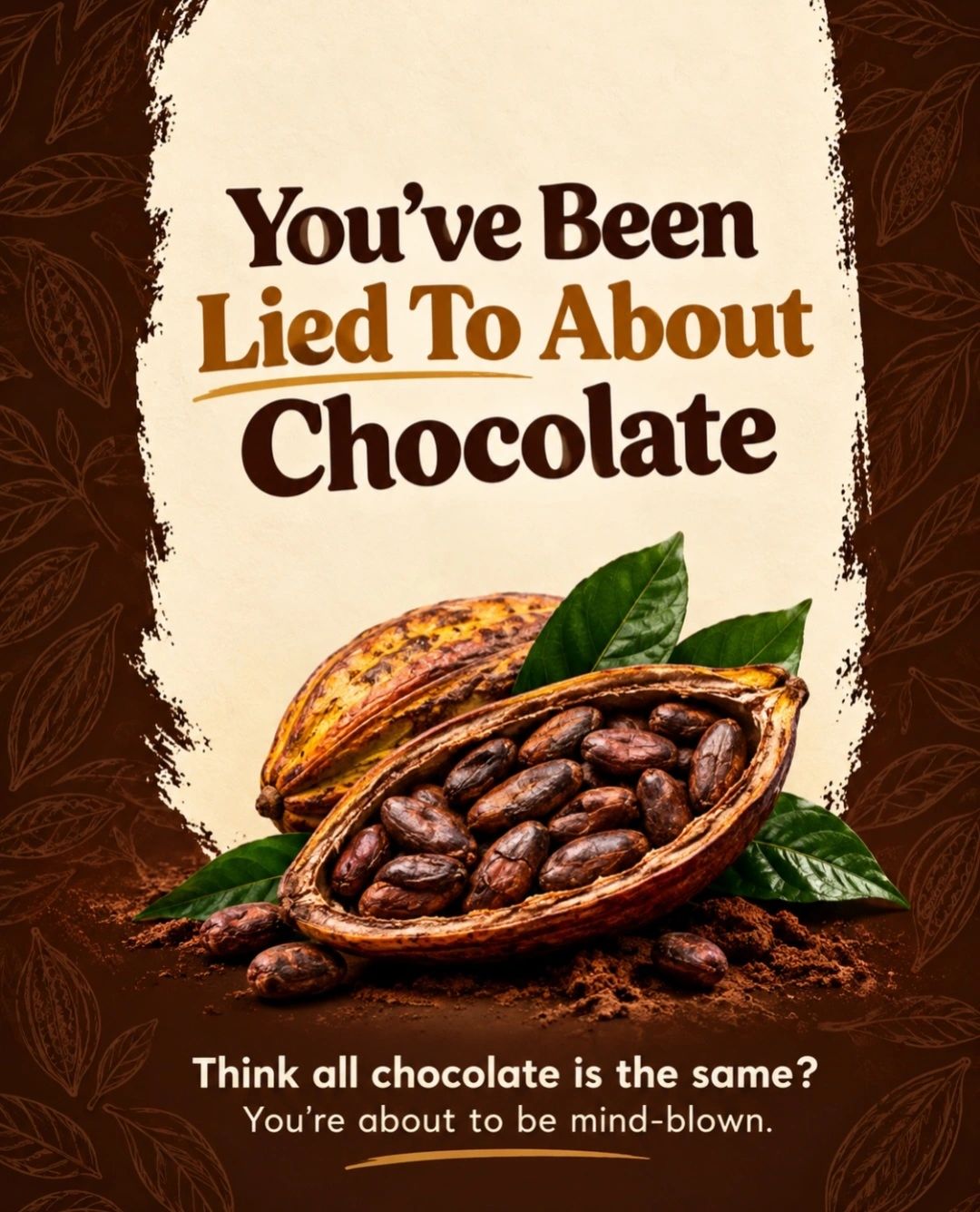
You’ve been eating chocolate. But have you ever questioned the story behind it? 🍫 Two chocolate bars can look almost identical. Yet, behind them could be two completely different worlds. One might tell a story of origin, careful fermentation, skilled processing, and farmers whose work shapes the final flavour. The other might tell a story of industrial efficiency, blended ingredients, and a supply chain where the people who grew the cocoa are almost invisible. And here’s what makes it fascinating: Chocolate doesn’t begin in a factory. It begins with a farmer most consumers will never meet. Between the cocoa pod and the chocolate bar lies an entire world of decisions: 🌱 How the cocoa is grown. 🌍 Where it comes from. 🫘 How the beans are fermented and dried. 🏭 How they’re processed. 📦 How the ingredients are sourced. 💰 And who captures the greatest value along the way. Yet, when we talk about chocolate, we often focus almost entirely on the finished product. We discuss taste, branding, packaging, and price. But rarely do we ask deeper questions about the origin behind the bar. Who grew the cocoa? What happened to it after harvest? How much value was created at origin, and how much was captured further down the chain? These questions matter, particularly in West Africa, where cocoa production plays a major role in the global chocolate industry. Perhaps the real story of chocolate isn’t just about what we eat. It’s about the people, systems, and economics behind what we eat. And once you begin to understand that story, you never look at a chocolate bar quite the same way again. Let me ask you something: When you buy chocolate, do you think about its origin, or only its taste? #Chocolate #Cocoa #SupplyChains #WestAfrica #OriginIntelligence

Art Pollard, the founder of Amano Chocolate, has famously propounded that “The challenge with chocolate is that every step is the most important step.”

For this reason, it is reductionist to say, “the quality of cacao is rarely decided on genetics, but mostly on fermentation ...”, a quote from Sharon Terenzi’s post on LinkedIn.

It is a far more nuanced process, one that can’t be reduced to a single factor. But before we even get there we need to ask:

  • What is meant by “quality”? How does “quality” affect “flavor”?
  • Is “quality” an absolute and objective element that can be measured and assessed?
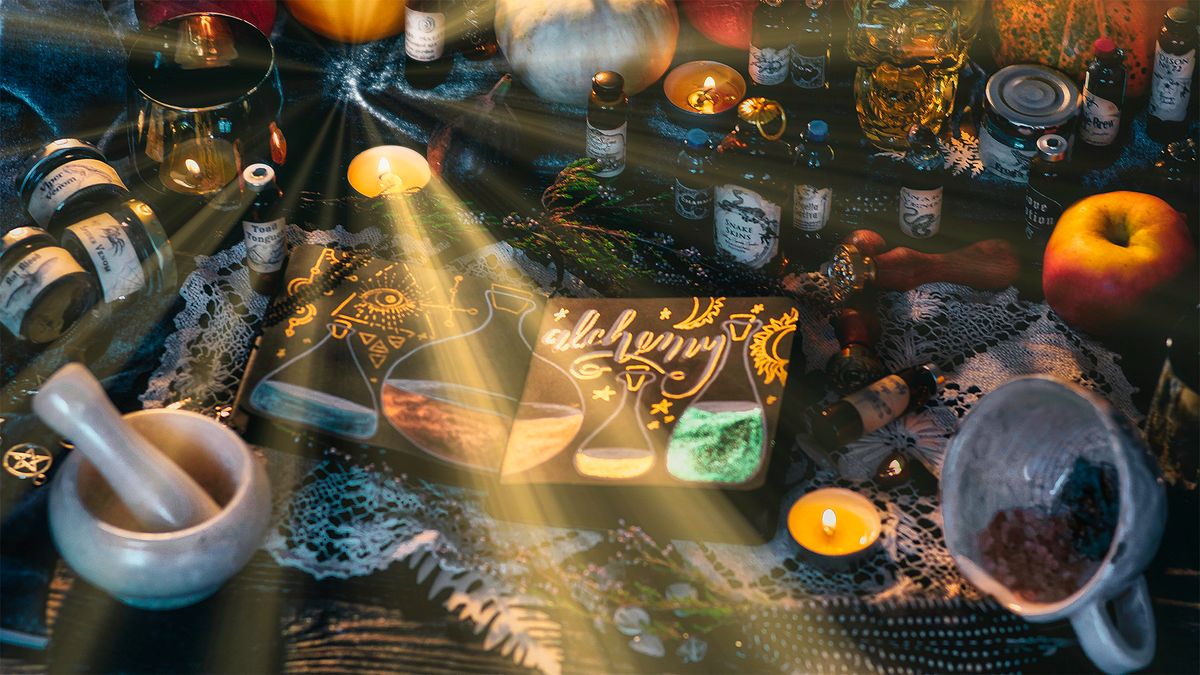
Review: The To’ak CXM Alchemy Collection
Infamous for being the most expensive chocolates in the world – how are attempts to make the chocolates more accessible, and less expensive?

My review. The TL;DR? Just because it is expensive does not automagically make it “good.”


Future Episodes

🗒️
Friday, October 23rd
2026 AVPA Chocolate Processed at Origin Awards

Episode Hashtags

#cocoa #cacao #cacau
#chocolate #chocolat
#PodSaveChoc #PSC
#LaVidaCocoa #TheChocolateLife


#PodSaveChocolate and #TheChocolateLifeLIVE Archives

To read an archived post and find the links to watch archived episodes, click on one of the bookmark cards below.

Pod Save Chocolate Calendar and Archive
News, views, and conversations on topics in cocoa and chocolate streamed live to YouTube, LinkedIn, and Facebook. #PodSaveChocolate!

Episodes 201-300 (links to older PSC archives are in the top nav).

#TheChocolateLifeLIVE Archive
News, views, and conversations on topics in cocoa and chocolate streamed live to YouTube, LinkedIn, and Facebook.
⁉️
After a year-long+ experiment, the audio-only versions of PodSaveChocolate episodes have been taken down after an end-of-year review. There were not enough listens to continue uploading episodes and paying for hosting.

You've successfully subscribed to The Chocolate Life
Great! Next, complete checkout for full access to The Chocolate Life
Welcome back! You've successfully signed in.
Success! Your account is fully activated, you now have access to all content.
Success! Your billing info is updated.
Billing info update failed.