Processed Cacao & Health: Maybe Less ISN’T More | #PSC 226
OVERVIEW: Episode 226 of #PodSaveChocolate, with guest contributor Keith Ayoob, takes a look at some new research that questions assertions that processing cacao is always a bad thing.
Links below to watch LIVE and to view the archived episode.

Watch and comment LIVE or view the archived episode!
Subscribe (free!) to the @PodSaveChocolate YouTube channel, like this video, comment, and share this episode to help grow the #PSC community.

Watch and comment LIVE or view the archived episode on LinkedIn.
Join my network on LinkedIn to receive notifications and to refer business to each other.

Watch and comment LIVE or view the archived episode on TheChocolateLife page on Facebook (for 30 days, then watch the archive on YouTube).
Follow TheChocolateLife on Facebook to receive notifications and catch up on other content.
Episode 226
A ChocolateLife member sent me a link to this article on Phys.org:
 Jeff Mulhollem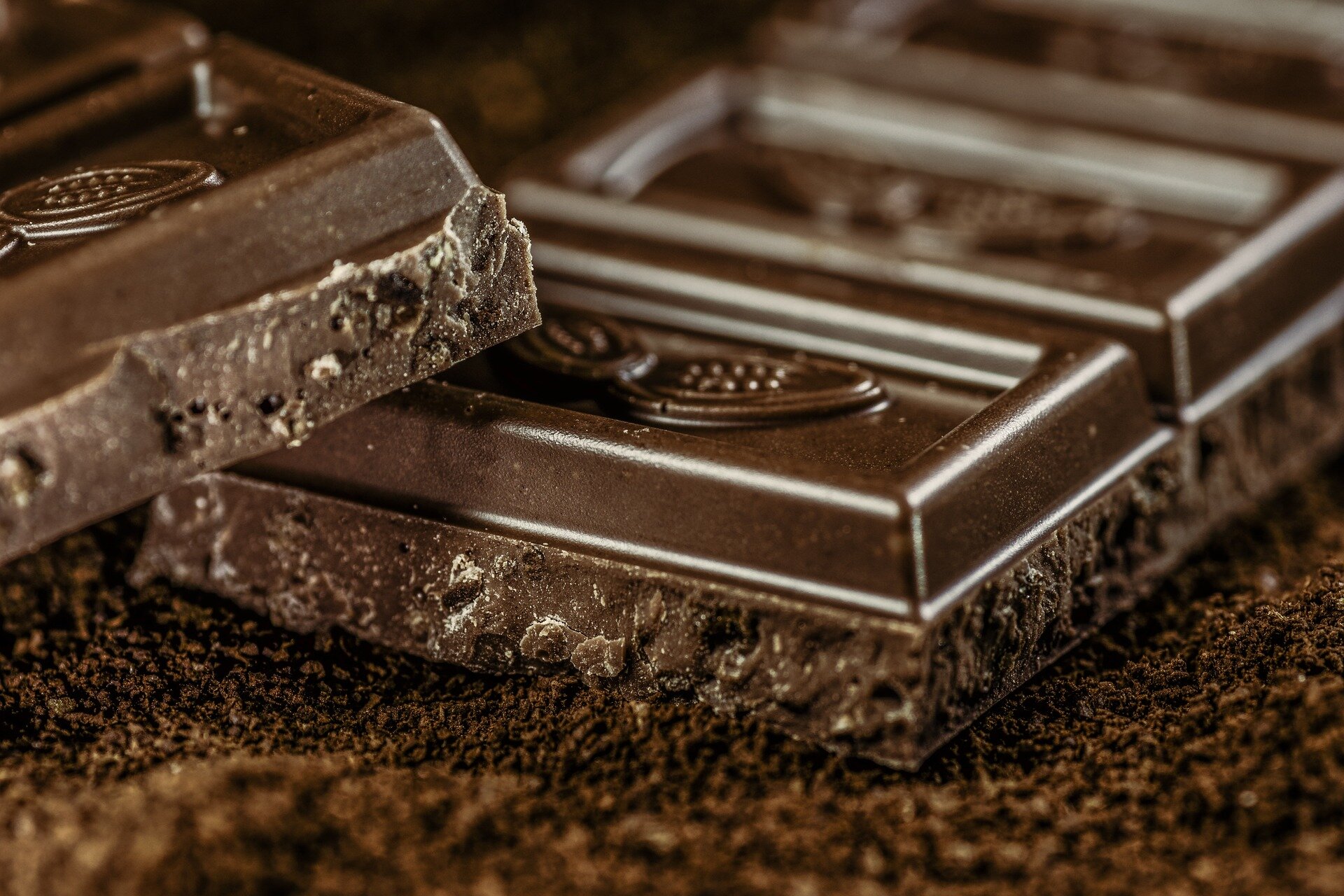
Phys.org is generally considered a moderately reliable science-and-technology news outlet, but it’s best treated as a secondary source not a primary one. So I went looking for the primary source.
However, the primary source is a paper at ScienceDirect, which is behind the Elsevier paywall. So, I asked regular ChocolateLife Contributor Keith Ayoob to see if he could gain access to the paper so we could discuss it in detail.
He was, and we are.
From what I inferred from the abstract:
The thesis is that rat models show the efficacy of processed cacao with respect to certain health outcomes – in effect, that processing ‘does not ruin’ cacao. What the article says is that the effects were visible on human scale with the consumption of ~75gr of cocoa powder daily (assuming un-alkalized).
Some questions are:
- fat content of level of fermentation, roasting, and heat applied in extracting the cocoa powder;
- any discussion of the difference between what is consumed versus what is metabolized/excreted;
- what (if any) confounding factors were considered;
- how should we talk about the findings of this research with other chocolate makers, customers, and the general public?
Related Health News
We May Get To, If There is Time
- Consumer Reports is at it again: Arsenic in rice. What’s not said about inorganic versus organic and why it matters. Separately, it there arsenic in chocolate and cocoa we should be worried about?
About My Guest
Keith Ayoob is Associate Clinical Professor Emeritus of Pediatrics at the Albert Einstein College of Medicine in New York City where he directed a nutrition clinic for 33 years for persons with special needs. He also works with many agriculture and food commodity groups. His website is CutToTheChaseNutrition, and you can also connect with Keith on LinkedIn and Facebook.
 Contact
Future Episodes
Celebrating(?) the 25th anniversary of the signing (on Sept 19, 2001) of the Harkin-Engel Protocol with confirmed special guests Terry Collingsworth and Miki Mistrati.
Episode Hashtags
#cocoa #cacao #cacau
#chocolate #chocolat
#PodSaveChoc #PSC
#LaVidaCocoa #TheChocolateLife
#PodSaveChocolate and #TheChocolateLifeLIVE Archives
To read an archived post and find the links to watch archived episodes, click on one of the bookmark cards below.
 Clay Gordon
Episodes 201-300 (links to older PSC archives are in the top nav).
Clay Gordon