Quashing Persistent Chocolate & Cocoa Myths | #PSC 209
OVERVIEW: Episode 209 of #PodSaveChocolate debunks some persistent myths about chocolate and cocoa. Do you have one you’d like me to address in a future episode? Let me know during the livestream or leave a comment.
Links below to watch LIVE and to view the archived episode.

Watch and comment LIVE or view the archived episode!
Subscribe (free!) to the @PodSaveChocolate YouTube channel, like this video, comment, and share this episode to help grow the #PSC community.

Watch and comment LIVE or view the archived episode on LinkedIn.
Join my network on LinkedIn to receive notifications and to refer business to each other.

Watch and comment LIVE or view the archived episode on TheChocolateLife page on Facebook (for 30 days, then watch the archive on YouTube).
Follow TheChocolateLife on Facebook to receive notifications and catch up on other content.
Episode 209
One challenge I face regularly is responding to the same (untrue) claims over and over and over again. Facebook, Reddit, X, Instagram, Pinterest, TikTok … all of those sites are echo chambers that often amplify bad takes until they take on a life of their own.
The claims below fit into the class of topics governed by Brandolini’s Law:
Today, however, I will do my best to refute the claims and give you tools you can use when you encounter them yourself.
Disclaimers
- The twelve images used below were found on Pinterest (where it’s often difficult to locate the originator). I chose Pinterest as the source because an email from the site with the subject “Cacao vs Cocoa” prompted me to explore topics that perpetuate myths about chocolate and cocoa.
- For fun, I asked an instance of ChatGPT that is not trained on me to generate a list of chocolate and cocoa myths commonly found on social media. To that list, I added one of my own.
- One take I am not going to go into in this episode is the claim that there are just three varieties of cacao. That’s a rabbit warren that I started to explore in a prior episode of PodSaveChocolate and that I may revisit presently.
 Clay Gordon
Myth: Cacao vs Cocoa
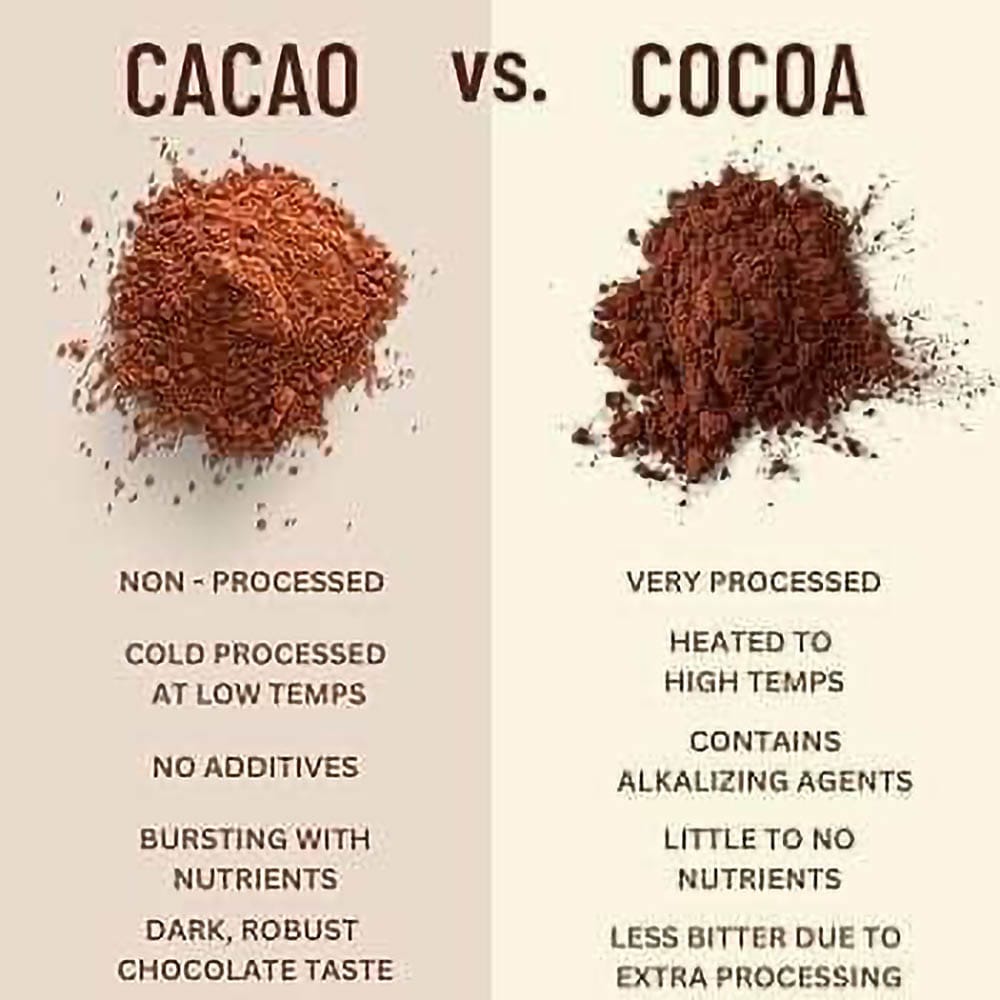
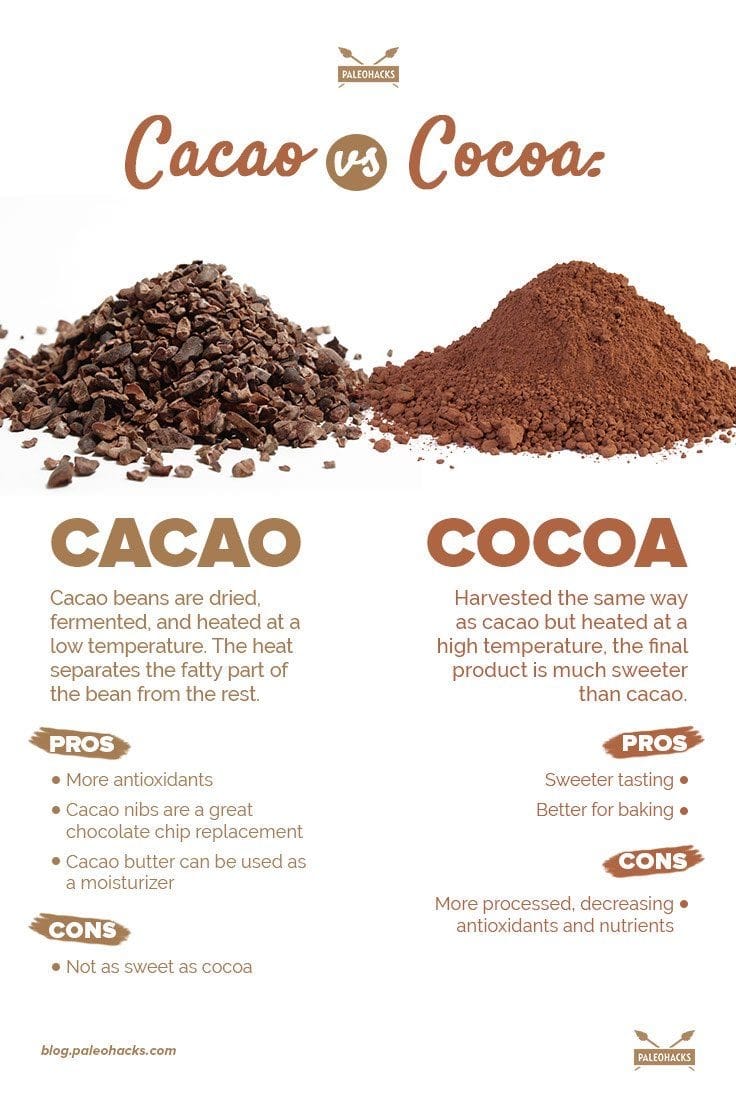
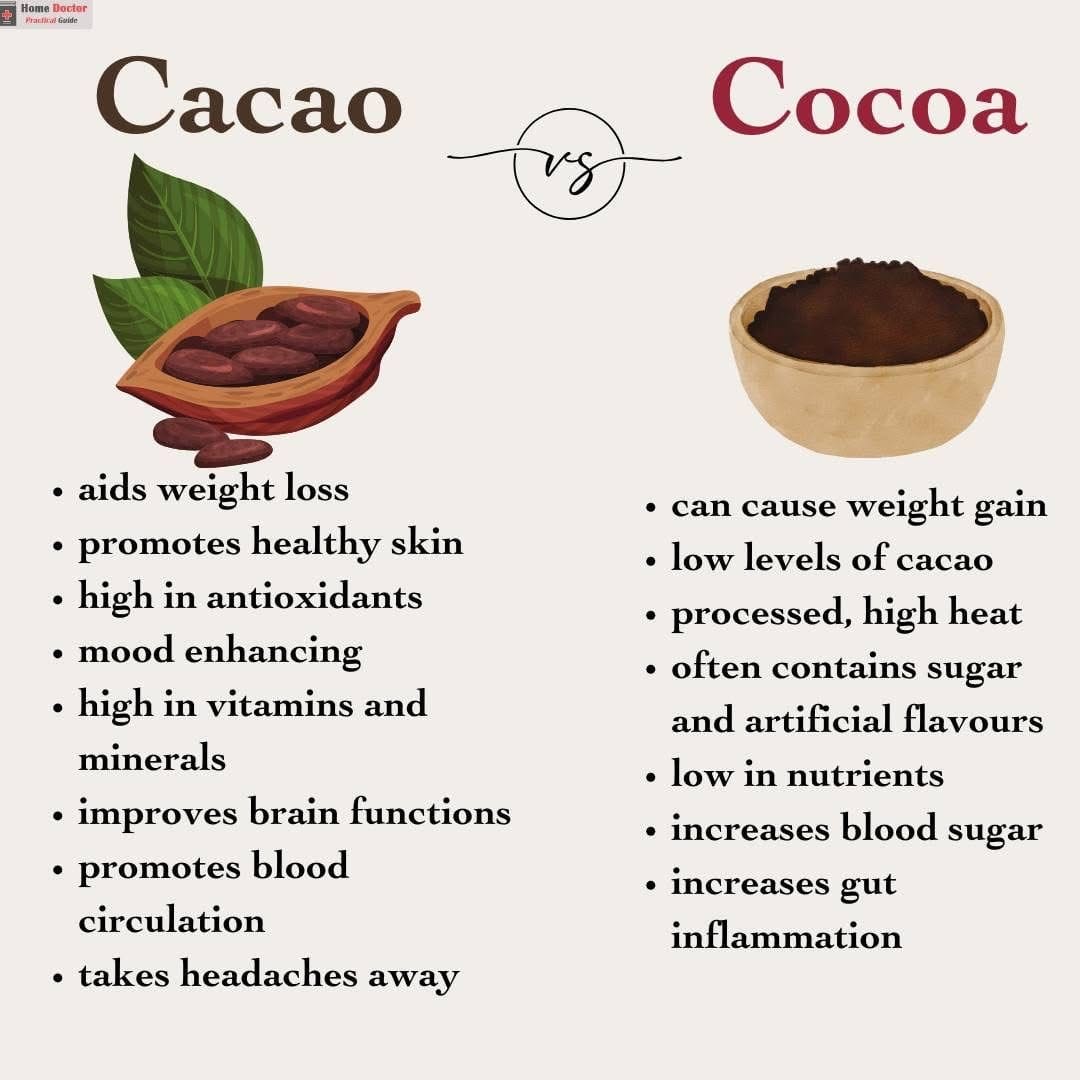
This distinction between "cacao" and "cocoa" may have started to gain traction in the raw food community between 2002 and 2010. Despite incredible (as in not credible) claims from high-profile advocates that include David Wolfe the distinctions drawn in the examples above demonstrate how these myths persist
Myth: White Chocolate Isn’t Really Chocolate
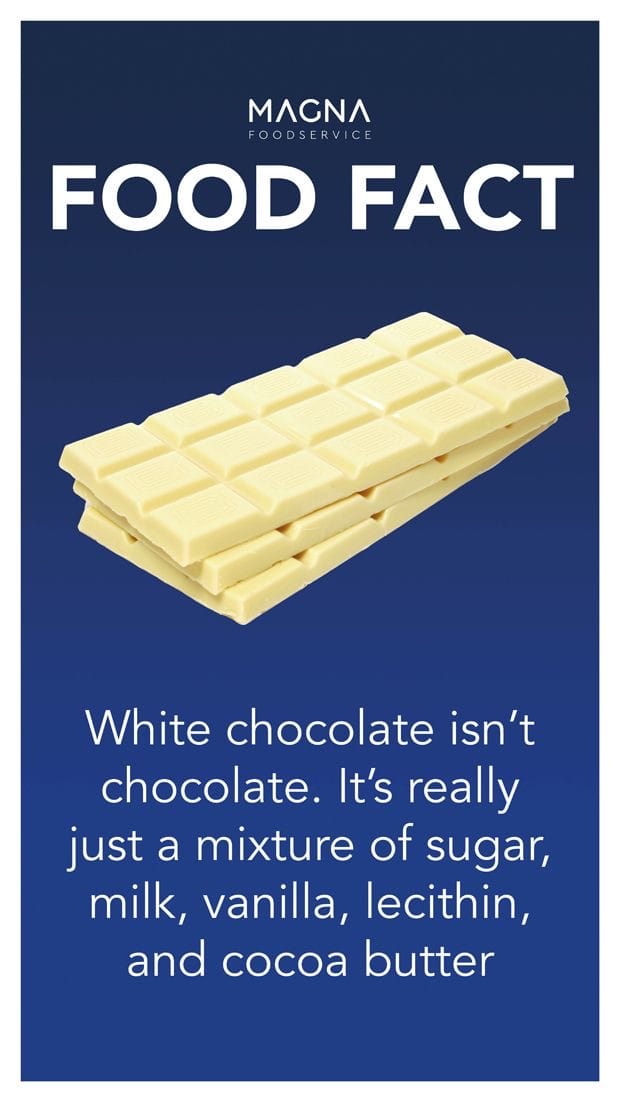
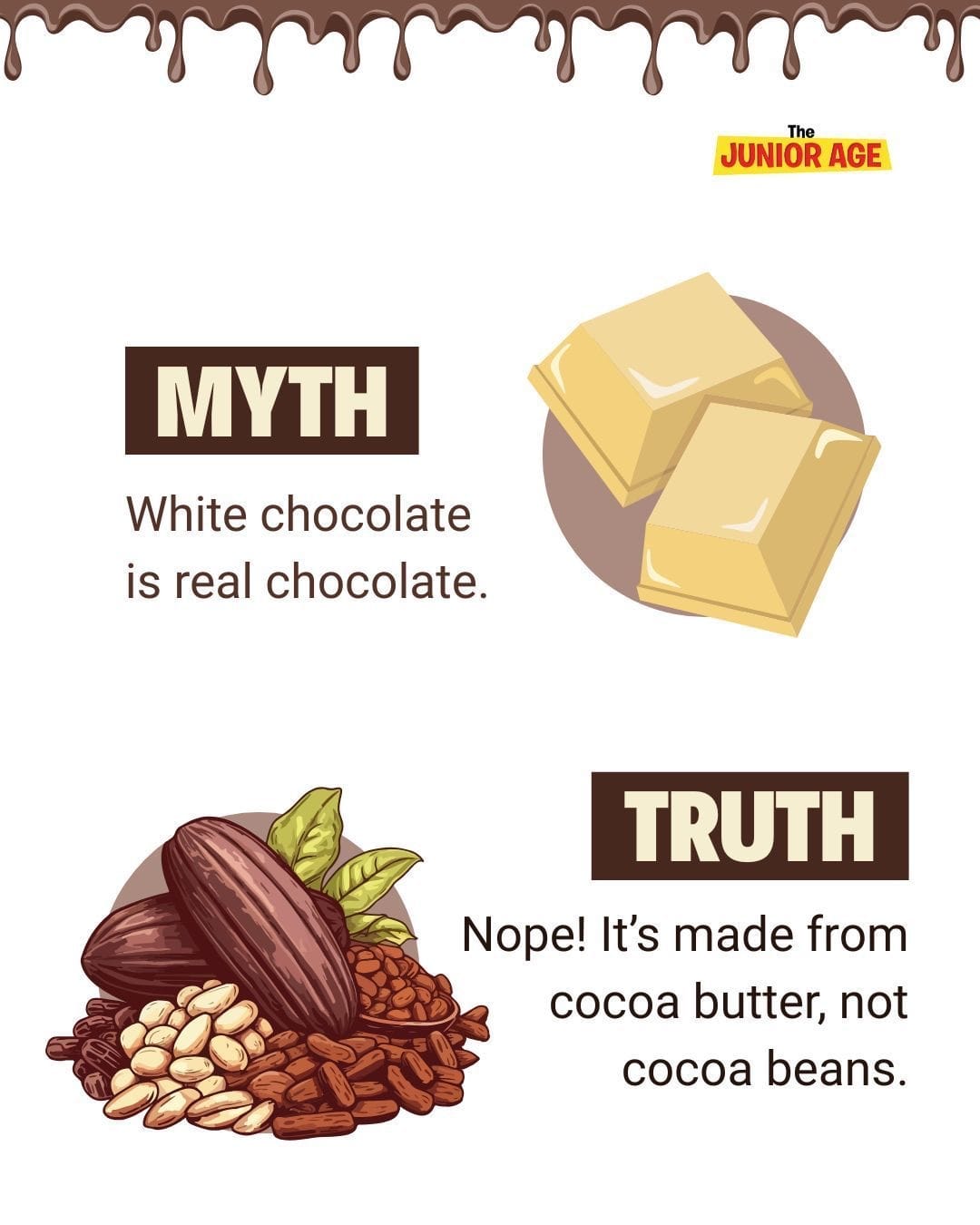
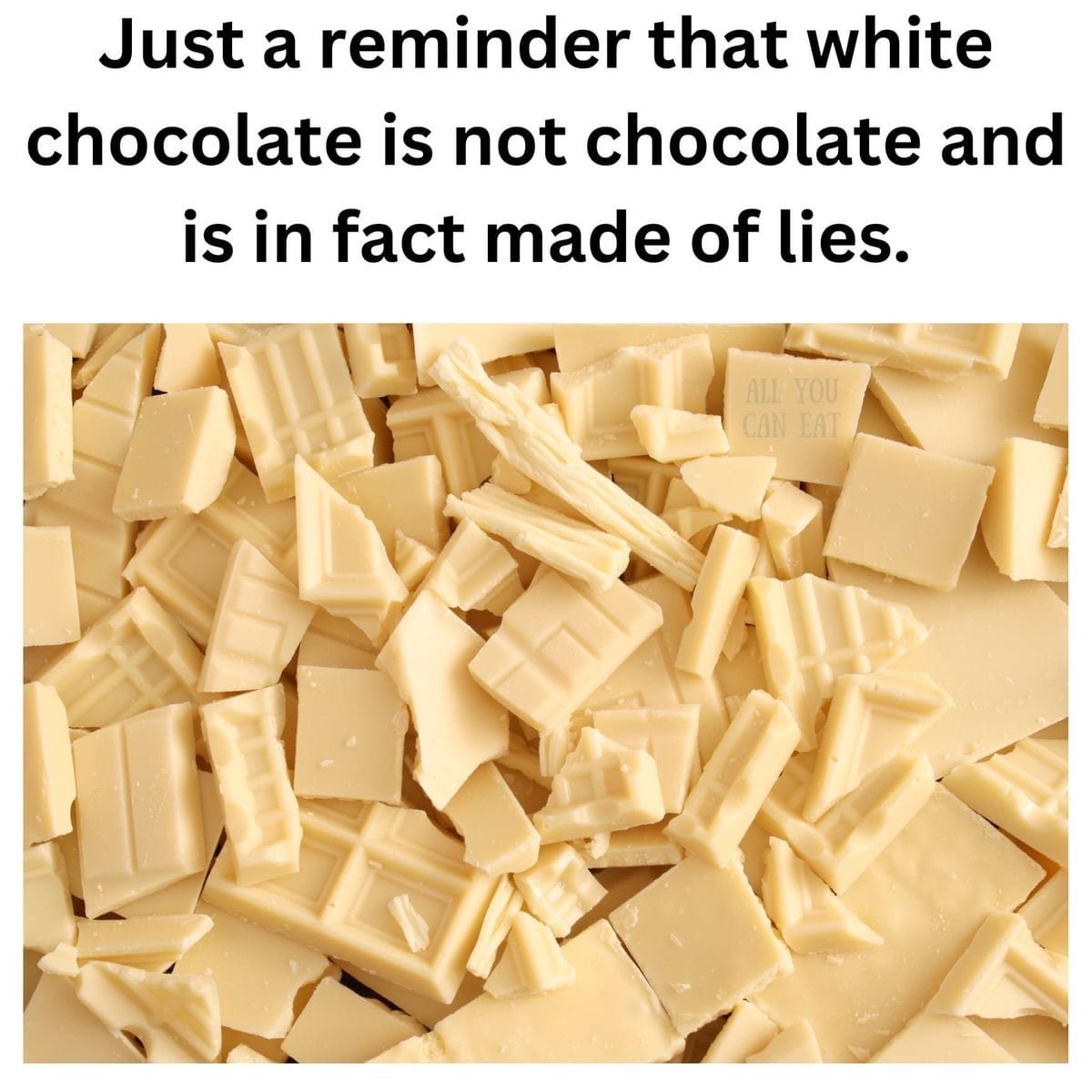
Despite these claims, there are legal definitions for white chocolate in the US Code of Federal Regulations, and in Canada, the UK, the EU, Japan ... and elsewhere. White chocolate is legally chocolate.
 21 U.S.C. 321
White Chocolate SoI: October 4, 2002 (published in Federal Register 67 FR 62171), became effective January 1, 2004.
Myth: LLMs Know How Chocolate is Made
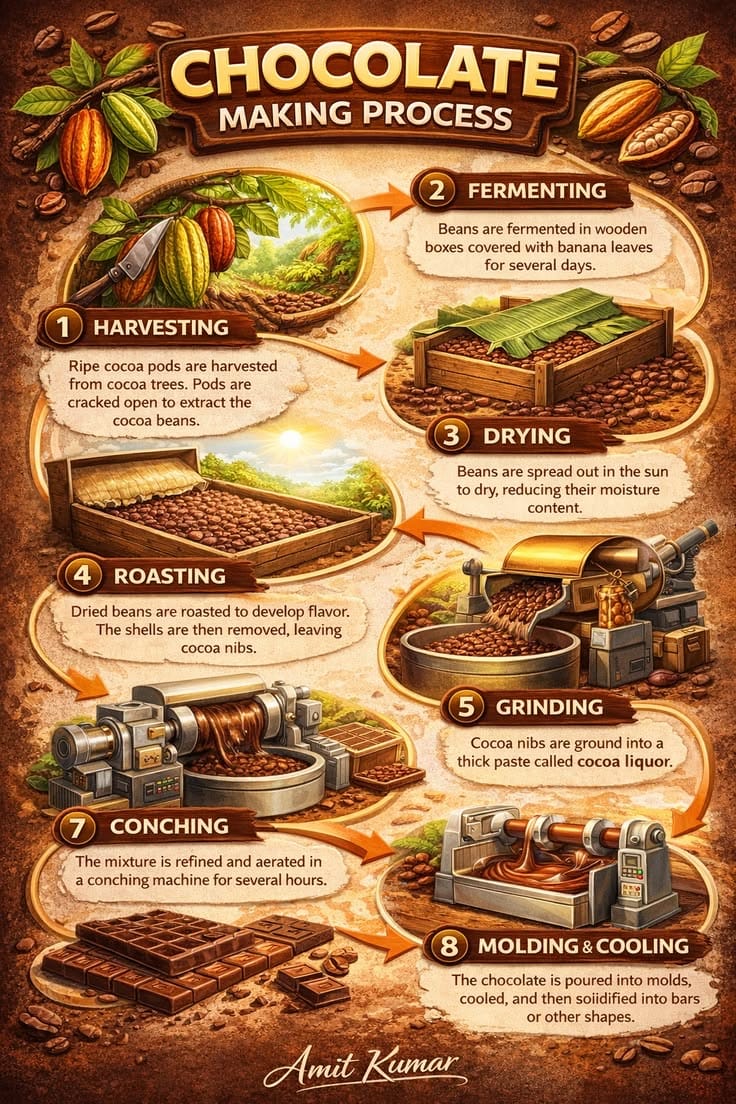
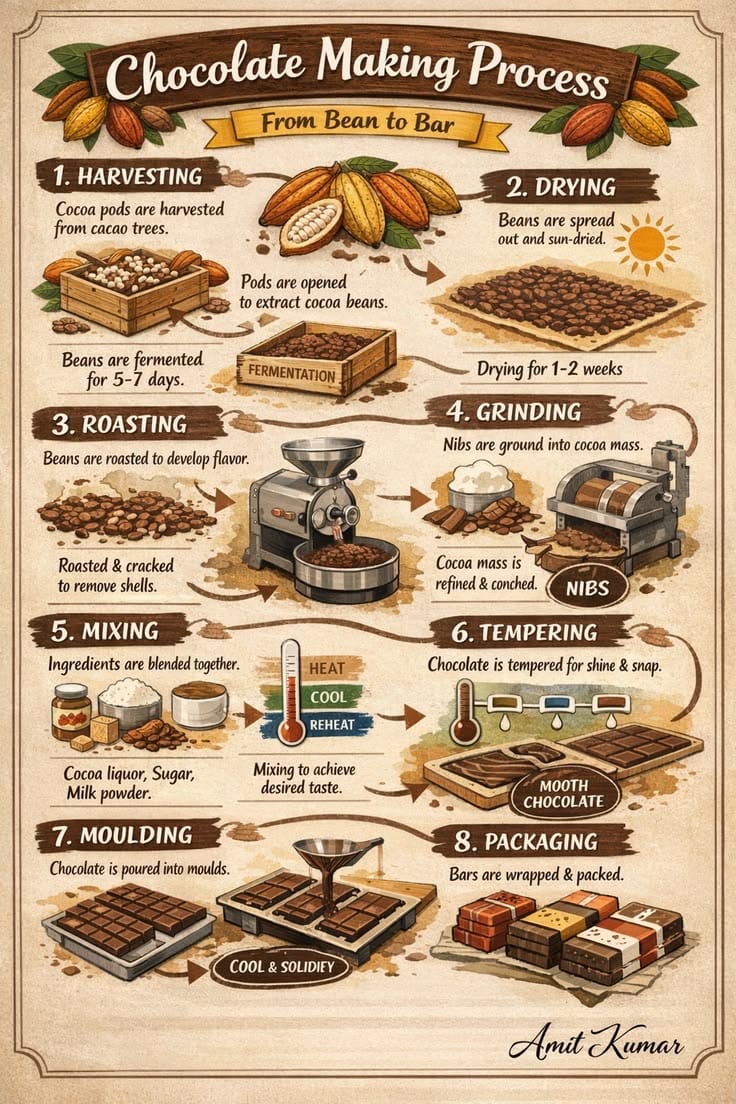
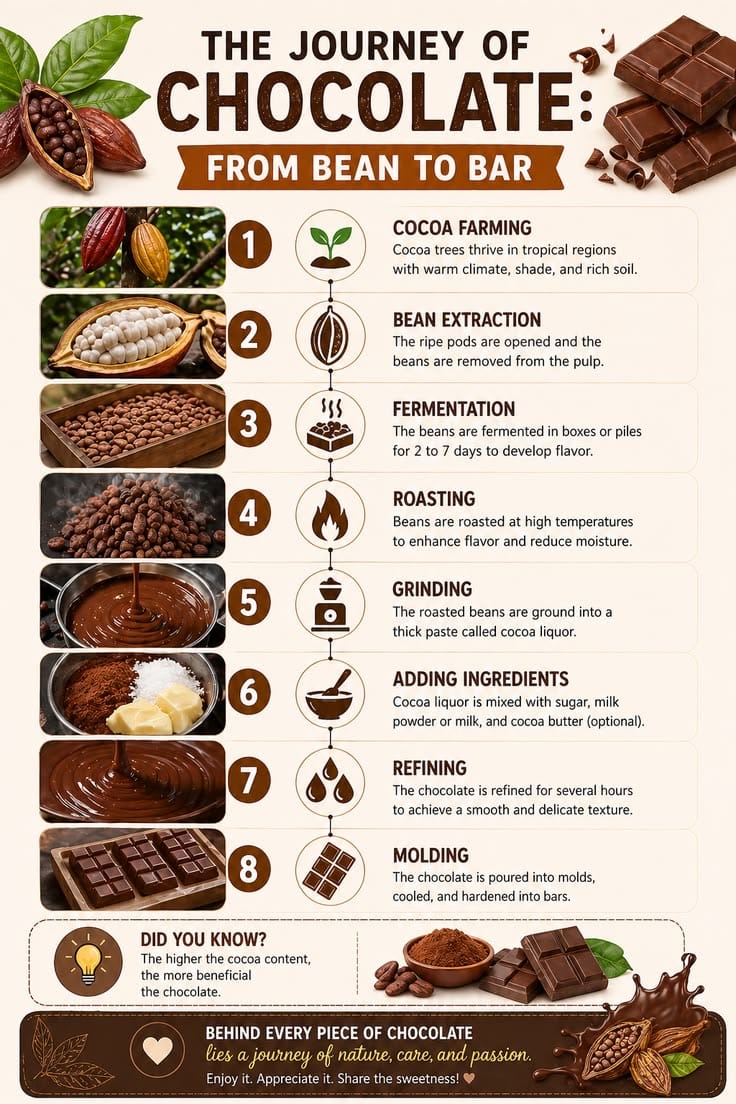
The images demonstrate typical AI slop., showing just how wrong LLMs usually are about chocolate; they cannot be trusted without fact-checking.
Myth: The Types of Chocolate
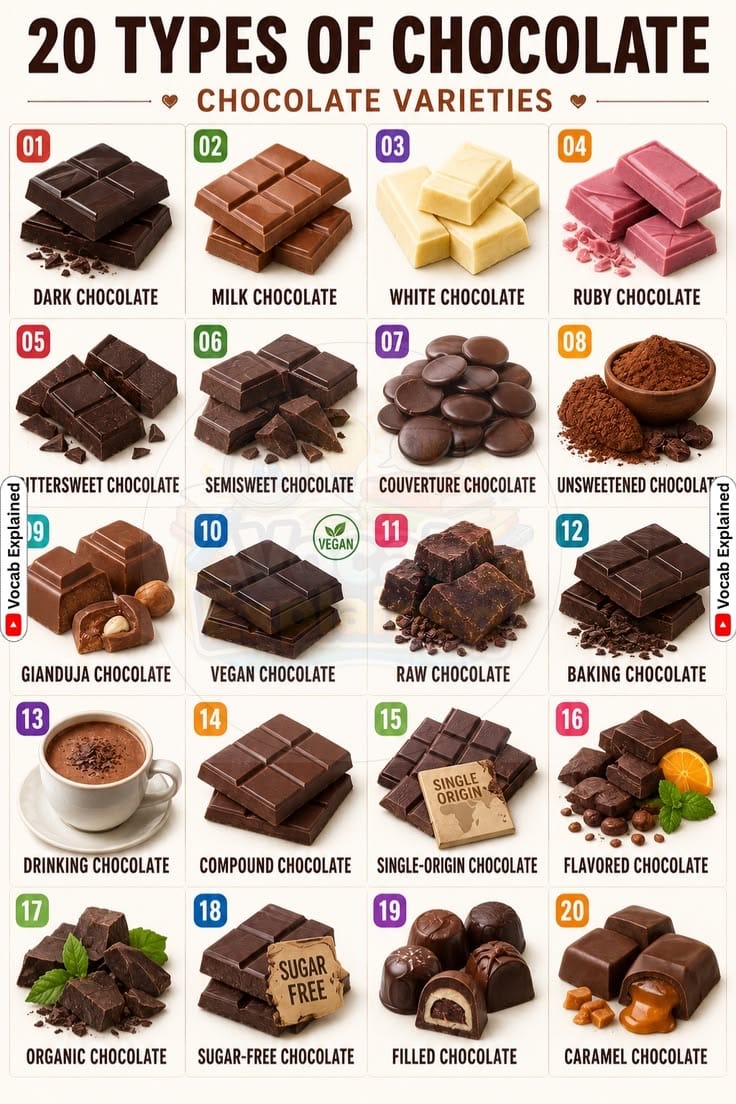
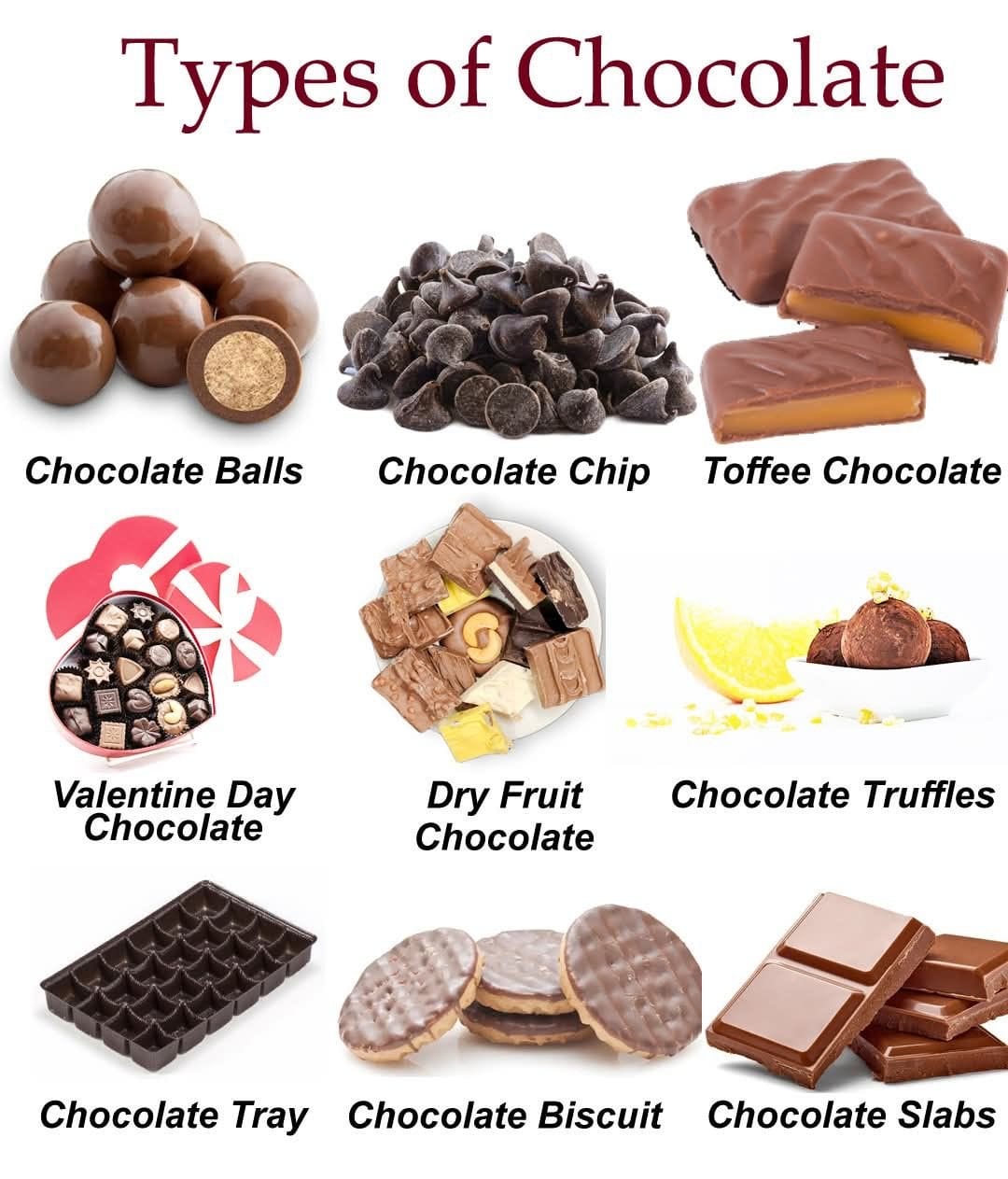
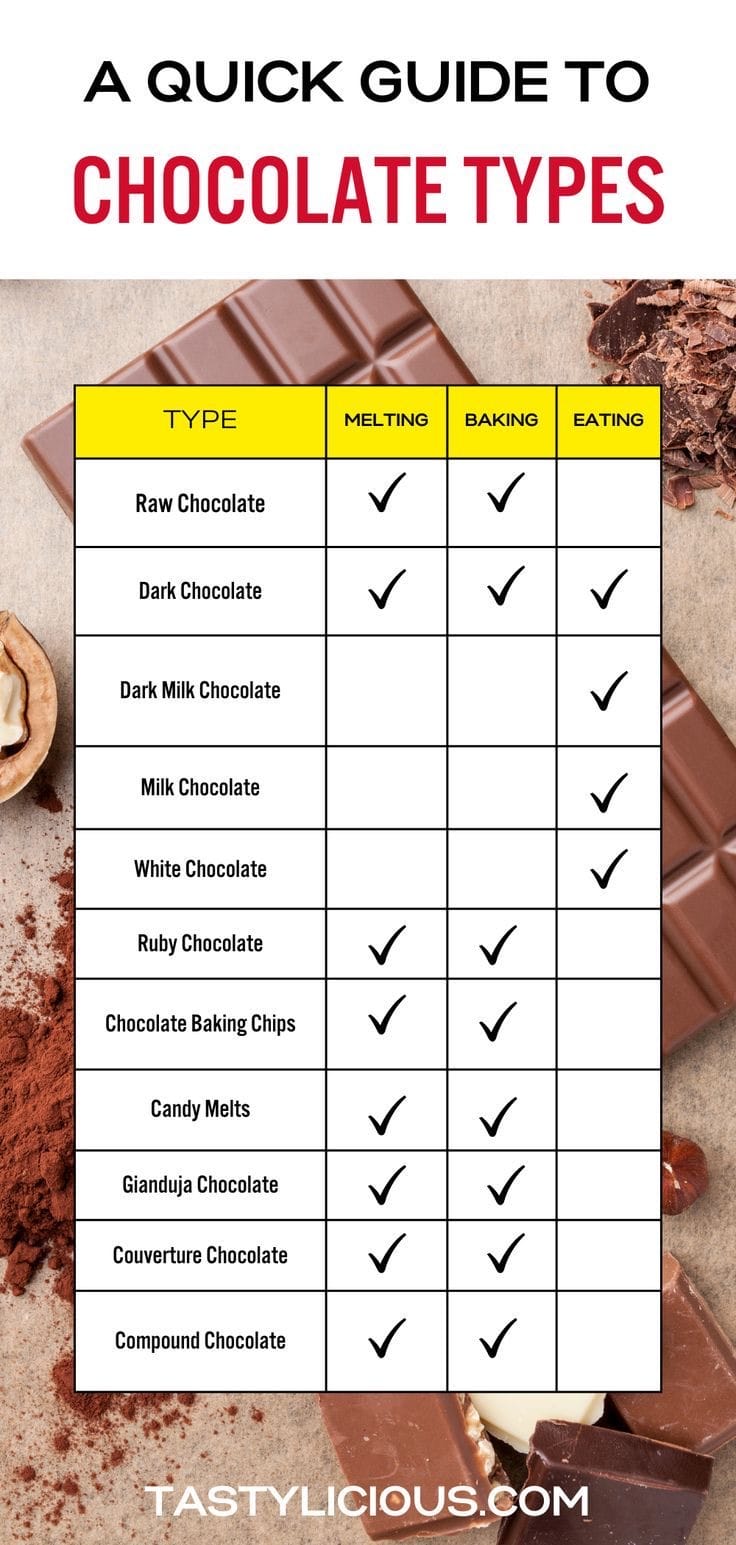
According to eCFR 21.163, all three of these lists are very wrong. Thousands of these “wrong in very different ways” images can be easily found all over the Interwebs, some appearing to be quite authoritative,
Myth: Chocolate Causes Acne
TL;DR: The evidence for chocolate causing acne is extremely weak; overall diet, hormones, genetics, and skin care matter far more than whether someone eats chocolate, especially when you separate high‑sugar, ultra‑processed confections from higher‑cacao products. However, there is evidence that in acne‑prone people, “relatively high daily consumption of chocolate” can modestly worsen [existing] lesions.
Most of the studies that led to the above synthesis are all behind paywalls, so I did not link to them. This study on PubMed from 2022 was not.
Myth: Chocolate Causes Cavities
- Demineralization begins around pH 5.5 after fermentable carbohydrate intake.
- The frequency and clearance time of sugars are key; sticky solids and starches with long clearance times are especially cariogenic.
- The classification of cariogenic vs non‑cariogenic foods is based largely on how long fermentable carbs remain in the mouth. (Source: Tuthill & Lintag‑Nguyen, 2024 – The Role of Nutrition in Dental Caries.)
TL;DR: Chocolate is, if anything, on the less harmful end of the confectionery spectrum and may even contribute anticariogenic compounds (polyphenols have antimicrobial, anti‑adhesive, anti‑glucan properties; theobromine (plus calcium/phosphate) can promote enamel‑hardening and remineralization (according to some studies). The catch, of course, is formulation: much commercial chocolate buries these potentially beneficial compounds under a mountain of sugar and stickiness, exacerbated by high‑frequency snacking habits.
Myth: Chocolate Triggers Migraines (in most people)
TL;DR: While chocolate may be a self‑identified trigger for a minority of migraine sufferers, controlled data doesn’t support a robust causal link, and chocolate cravings may be part of the prodrome (early, pre‑symptom phase of an illness) rather than the cause. To Eat or Not to Eat: A Review of the Relationship between Chocolate and Migraines
Myth: Chocolate is Chemically Addictive
- Cacao/cocoa does contain mild psychoactive compounds which, especially when combined with sugar and fat, can strongly engage the brain’s reward circuitry, leading to cravings and, sometimes, loss of control.
- Clinical and research communities do not classify chocolate itself as “chemically addictive like a drug” – there is no nicotine‑ or morphine‑like dependence, and there is no recognized “chocolate use disorder.”
- Current evidence frames chocolate more accurately as a food that can participate in food addiction-like patterns in vulnerable individuals, rather than as an addictive substance in its own right.
TL;DR: Big Chocolate companies take advantage of the above by actively pursuing what is referred to as The Bliss Point.
Myth: I Am Allergic to Chocolate
Strictly speaking, true allergy to cocoa itself is real but uncommon, while the everyday claim “I’m allergic to chocolate” is often a fuzzy shorthand for something else.
- Most people who say this are reacting to milk, nuts, soy, or even contaminants in chocolate products, not to cocoa proteins.
- Population surveys report about 0.5–0.7% self‑reported chocolate/cocoa allergy, but those rely on questionnaires only and are known to overestimate true food allergy dramatically.
- A 2026 pediatric case report plus literature review in Frontiers in Pediatrics makes essentially the same point: suspected cocoa allergy is frequently seen in clinic settings, but “true IgE (immunoglobulin E)‑mediated cocoa allergy is rare, with only a few confirmed cases published to date,” and proper work‑up must first rule out hidden allergens and other mechanisms.
Sources:
- Not so sweet: True chocolate and cocoa allergy (PubMed Central).
- IgE-mediated cocoa allergy: a pediatric case report and review of the literature (PubMed Central)
TL;DR: You can safely conclude: “True IgE‑mediated allergy to cocoa is rare but documented; most self‑reported ‘chocolate allergies’ turn out to be allergies to milk, nuts, or other components in chocolate products, not to cocoa itself.”

I began my career as a professional chocolate critic, journalist, consultant, and educator in mid-May 2001. That means I am celebrating my 25th anniversary as a professional chocolate critic, journalist, consultant, and educator in 2026. To help me celebrate, I hope you will consider becoming a Lifetime Member!
This special offer is available May 25 – June 30, 2026.
Future Episodes
Episode Hashtags
#News #AMA #AskMeAnything
#cocoa #cacao #cacau
#chocolate #chocolat #…
#PodSaveChoc #PSC
#LaVidaCocoa #TheChocolateLife
#PodSaveChocolate and #TheChocolateLifeLIVE Archives
To read an archived post and find the links to watch archived episodes, click on one of the bookmark cards, below.
 Clay Gordon
 Clay Gordon
Become a Premium ChocolateLife Member!
| These offers are available to free members, so subscribe above then click one of the following links. | |
|---|---|
| Team TCL Member Monthly membership | First 2 months FREE (save $10/yr) |
| Team TCL Leader Monthly membership | First 2 months FREE (save $30/yr) |