September News & AMA | #PSC 231

OVERVIEW: Episode 231 of #PodSaveChocolate features chocolate and cocoa news fit to eat, as well as the monthly live AMA (Ask Me Anything about chocolate or cocoa) for September 2026.
Click a link below to view the archived episode.

Watch and comment LIVE or view the archived episode!
Subscribe (free!) to the @PodSaveChocolate YouTube channel, like this video, comment, and share this episode to help grow the #PSC community.

Watch and comment LIVE or view the archived episode on LinkedIn.
Join my network on LinkedIn to receive notifications and to refer business to each other.

Watch and comment LIVE or view the archived episode on TheChocolateLife page on Facebook (for 30 days, then watch the archive on YouTube).
Follow TheChocolateLife on Facebook to receive notifications and catch up on other content.
Episode 231 Overview
In this episode: Chocolate News that’s Fit to Eat™ for September 2026.
The Ongoing Saga of the Cost of Cocoa
 TheChocolateWire
Highlight: Ivory Coast holds cocoa farmgate price at $2.12/kg for the 2026/27 season. Abidjan's agriculture minister confirmed the price stays at 1,200 CFA francs per kilogram, well off last year’s record 2,800 CFA francs, as global cocoa prices keep softening from their 2024 peak. Ghana is expected to match it.
| MORE MARKET NEWS |
|---|
| Barchart.com Futures Prices / Futures Overview |
| Trading Economics Chart |
| TradingCharts.com 1977 Baseline |
| ICCO Pricing Stats |
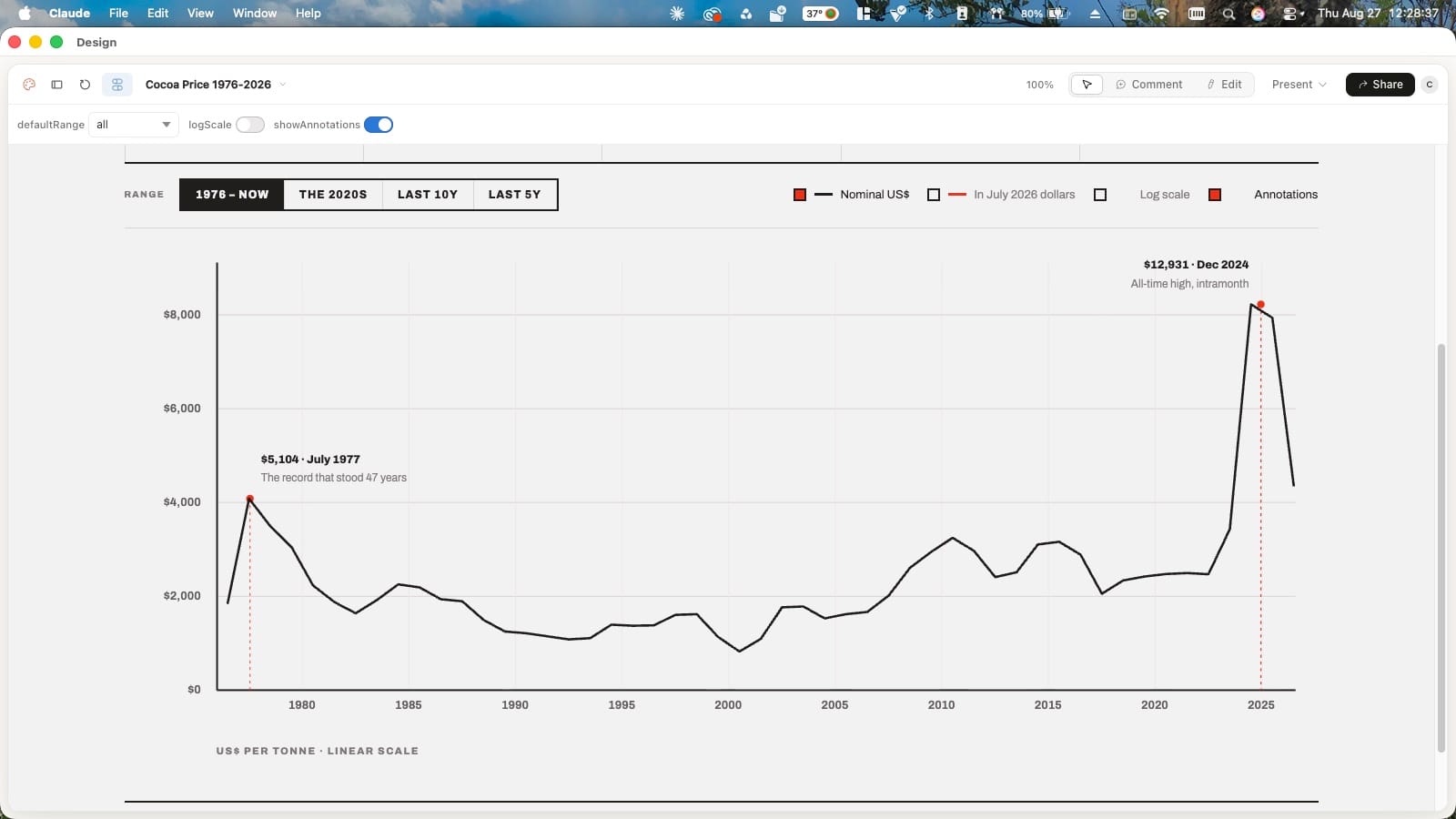
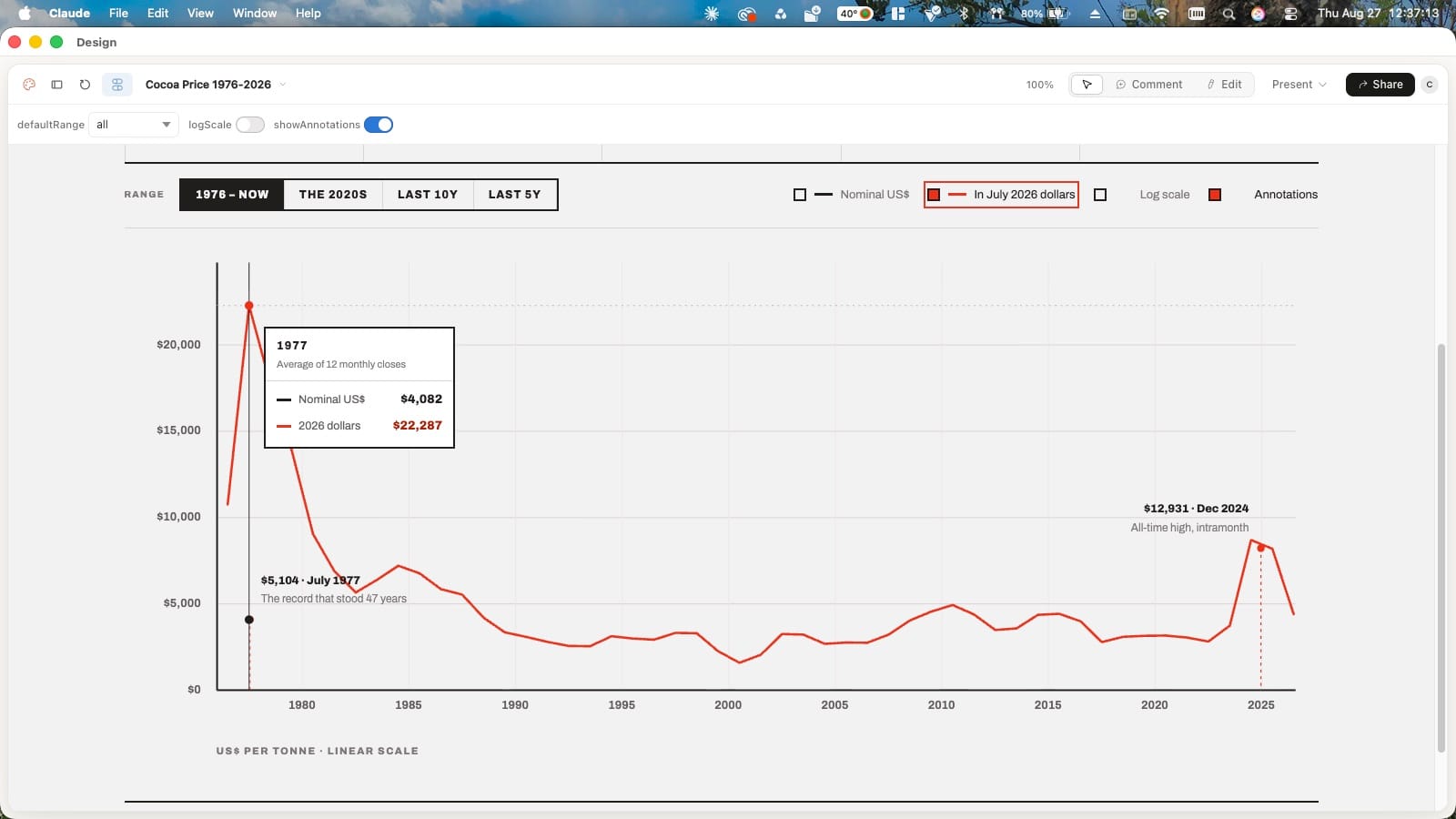
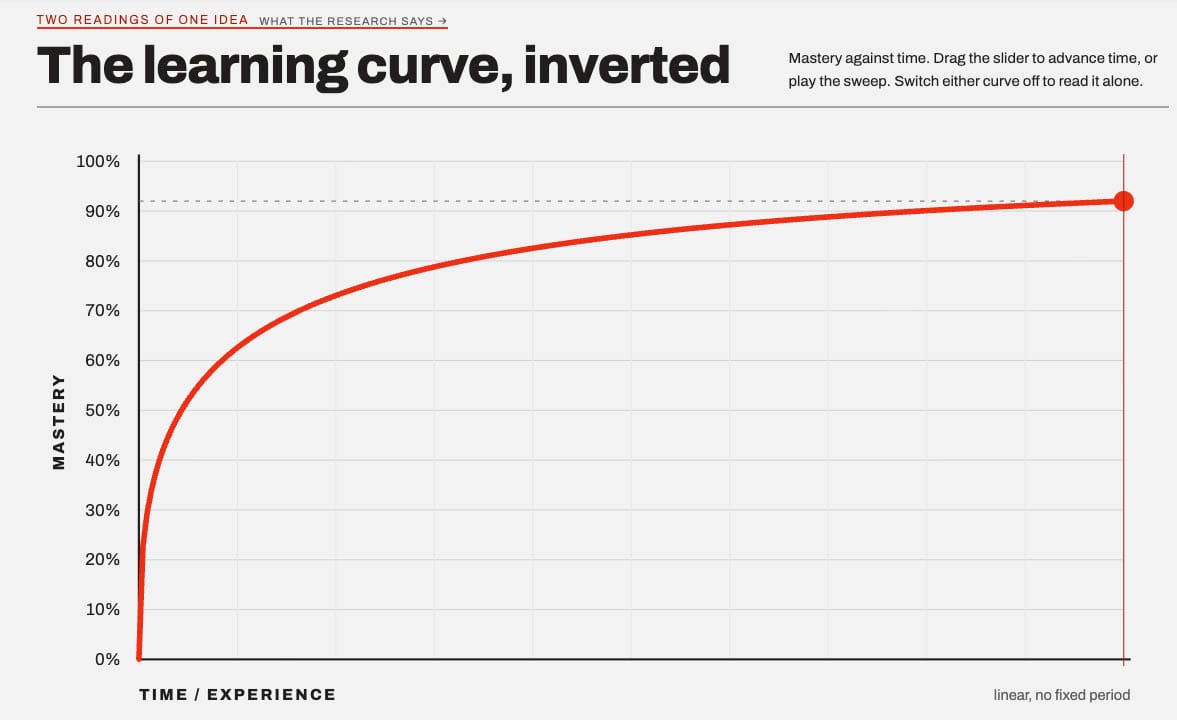
Check out the September Member newsletter for more about the Learning Curve visualization.
More Headlines
- Women and Youth Must Shape Cocoa’s Future, CAA Farmer Forum Hears. (CocoaRadar) The ‘Invisible No More’ discussion followed a presentation on the second edition of the International Farmers Network Forum. It was moderated by Selene Scotton, Group Cocoa Sustainability Manager at Puratos. Panelists were Fay Fay Choo, Asia director for cocoa sustainable sourcing at Mars; Cheok Mei-Ing, director of partnerships development for supply chains at Save the Children Federation; and Louise Mabulo, founder of The Cacao Project in the Philippines.
Questions to consider: Who are the panelists and what are their positions? Why is there no mention of any “women and youth” cocoa farmers on the panel?
Another Story
 Clay Gordon
What I am NOT saying about GMOs.

I began my career as a professional chocolate critic, journalist, consultant, and educator in mid-May 2001. That means I am celebrating my 25th anniversary as a professional chocolate critic, journalist, consultant, and educator in 2026. To help me celebrate, I hope you will consider becoming a Lifetime Member!
This updated special offer is available through December 31, 2026.
Op Ed
El Niño Didn’t Wreck the 2026/27 Cocoa Harvest: Five Decades of Underinvestment Did.
TL;DR: Ghana’s cocoa board is warning of a harvest drop approaching 40 percent, and the trade press has settled on El Niño as the explanation.
The weather is real. The surprise is not.
Researchers have been able to forecast El Niño’s effect on cacao yields up to two years out since at least 2021. The bigger story is what producing countries and “Big Chocolate” did with that lead time.
Spoiler Alert: Not nearly enough.
Ghana’s Cocoa Marketing Company says the 2026/27 crop could fall 18 to 38 percent, and its own managing director points to old trees, disease, and a pollination failure they call unprecedented in two decades, layered on top of El Niño-linked rainfall. Futures have roughly doubled since March.
The market is treating this as a shock. It should not be.
A 2021 study in Scientific Reports, using a decade of Indonesian farm data, found that ENSO phases predict up to 75 percent of the variation in cacao yields, with a lead time of up to 25 months. If a research team could see this coming half a decade ago using machine learning, so could every sourcing department holding multi-year contracts with these same farmers or marketing boards.
ENSO stands for El Niño–Southern Oscillation. It’s the umbrella term climatologists use for the whole recurring pattern of sea-surface temperature and atmospheric pressure swings across the tropical Pacific, of which El Niño (the warm phase) and La Niña (the cool phase) are the two ends. The 2021 study was measuring cacao yield variation against the full oscillation, not only its warm-phase episodes.
To be fair, the barrier is not only corporate. Smallholders face real constraints: uncertain land tenure, aging leases, and a multi-year income gap during replanting that few can absorb alone. Those are legitimate structural problems.
Which is the point.
Producing-country governments and the companies buying their beans have had two years of forecast and five decades of harvest cycles to fund replanting, extension services, and income support that would have blunted this. Instead, Ivory Coast just froze its farmgate price, and the industry’s response to shortage has been reformulation, not reinvestment.
“The market” is being sold, again, as the fix: prices rise, supply eventually follows. That story only works if you ignore who absorbs the gap between now and “eventually.”
Spoiler Alert: It is not “Big Chocolate’s” shareholders.
Future Episodes
C0mmem0rating the 25th anniversary of the signing (on Sept 19, 2001) of the Harkin-Engel Protocol with confirmed special guests Terry Collingsworth and Miki Mistrati.
Episode Hashtags
#News #AMA #AskMeAnything
#cocoa #cacao #cacau
#chocolate #chocolat #craftchocolate
#PodSaveChoc #PSC
#LaVidaCocoa #TheChocolateLife
#PodSaveChocolate and #TheChocolateLifeLIVE Archives
To read an archived post and find the links to watch archived episodes, click on one of the bookmark cards, below.
 Clay Gordon
 Clay Gordon