The True Origins of Criollo | #PSC 191
Episode 191 of #PodSaveChocolate takes a deep dive into the history of Criollo cacao varieties, separating myth and conventional wisdom from facts revealed via recent archaeogenomic research and historical sources.
When and Where to Watch
Links below to watch LIVE and to view the archived episode.

Watch and comment LIVE or view the archived episode!
Subscribe (free!) to the @PodSaveChocolate YouTube channel, like this video, comment, and share this episode to help grow the #PSC community.

Watch and comment LIVE or view the archived episode on LinkedIn.
Join my network on LinkedIn to receive notifications and to refer business to each other.

Watch and comment LIVE or view the archived episode on TheChocolateLife page on Facebook (for 30 days, then watch the archive on YouTube).
Follow TheChocolateLife on Facebook to receive notifications and catch up on other content.
Episode 191 Overview
This episode of #PodSaveChocolate was inspired by an email newsletter I received last week, directing me to the following blog post:
 Chef Robert Cabeca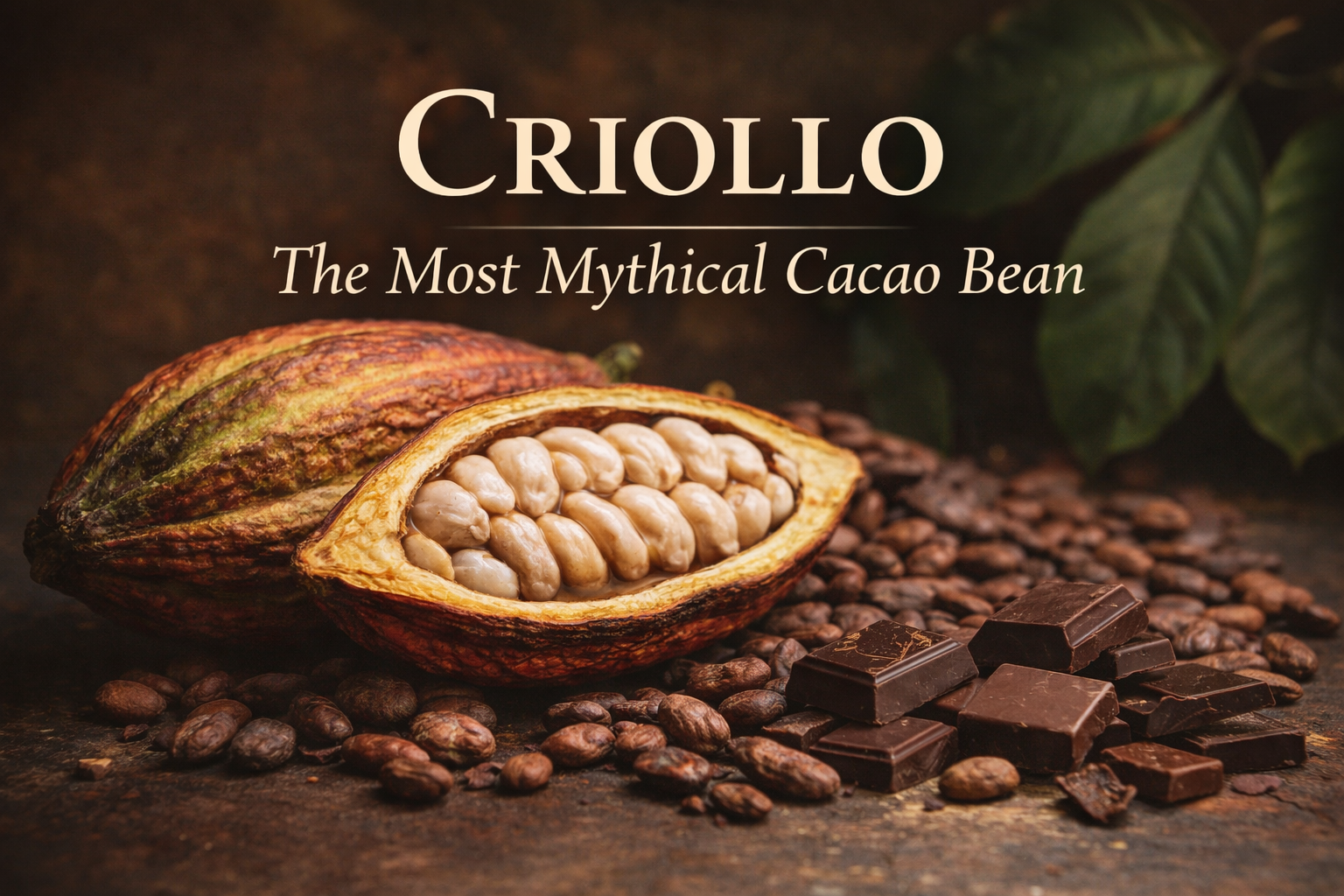
I have known of the author for at least a decade; I don’t recall our ever meeting in person.
The broad topic, “Where did [the plant we now call] cacao originate?” is a question whose answers – rooted in an increasingly better understanding of the cacao genome – have been emerging since 2008’s pioneering paper, ‘Geographic and Genetic Population Differentiation of the Amazonian Chocolate Tree (Theobroma cacao L[[1]]).’”
[[1]]: The “L” stands for botanist Carolus (Carl) Linnaeus. In botanical nomenclature, the person who first publishes a species name is cited after the Latin binomial. Other abbreviation examples include, “Mill.” for Philip Miller, and “DC.” for de Candolle.
MY TL;DR assessment: As an introductory, consumer-facing essay, the blog is broadly correct: it captures rarity, flavor profile, fragility, and the idea that “Criollo” cacao is historically important and now rare. However, it relies on (now) outdated concepts of “Criollo” and glosses over key genetic, geographic, and historical nuances.
This episode takes a closer look at the claims made in the blog about the origins of Criollos through the lens of my own research on the topic dating back to 2008[[2]]. In that respect it is in the same vein as recent fact-checking episodes on Maïa Ceremonial Cacao and Pono Cocoa: What techniques can you use to determine the veracity of the claims an author is making?
[[2]]: I echoed the tradtional tri-partite classification in my book, Discover Chocolate, published in 2007. I tried hard to write an evergreen book, not anticipating how genomic research going on as I was writing it would make it out of date within a year of publication.
And, to be honest, I have to admit my understanding of the timeline and geography did not reflect the most recent research. My bad.
So, I am also writing this to address misstatements in my public record. (You can’t assume I am correct – fact check me, too.)
Source Citations
 Claire Lanaud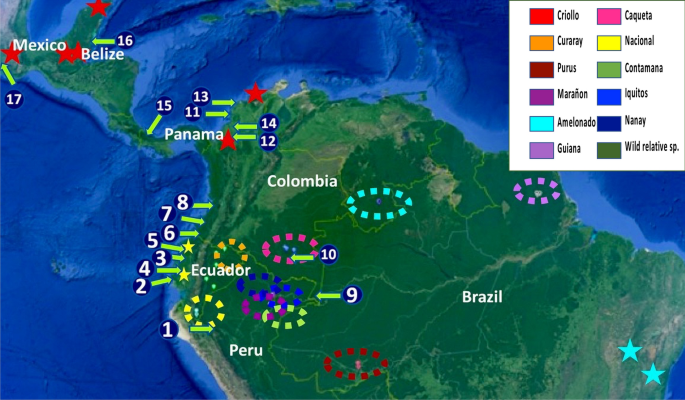
Published in 2024
I was fortunate to meet Francisco Valdez in Guayaquil, Ecuador in 2022, and attended a lecture about finds in Santa Ana - La Florida (near La Palanda in Zamora Chinchipe, Ecuador). Dr Valdez is a co-author on the above paper.
 Omar E. Cornejo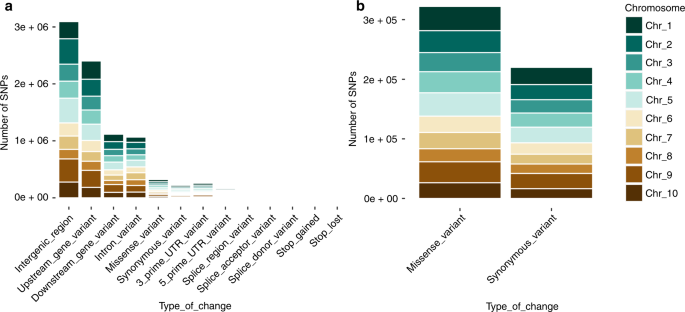
Published in 2018
 Juan C. Motamayor ,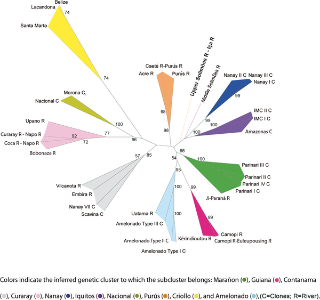
Published in 2008
I was fortunate to have met Juan Carlos Motamayor at the Frontiers in Cacao Science symposium at Penn State in 2015. I reached out to him for additional source citations for this post.
 J C Motamayor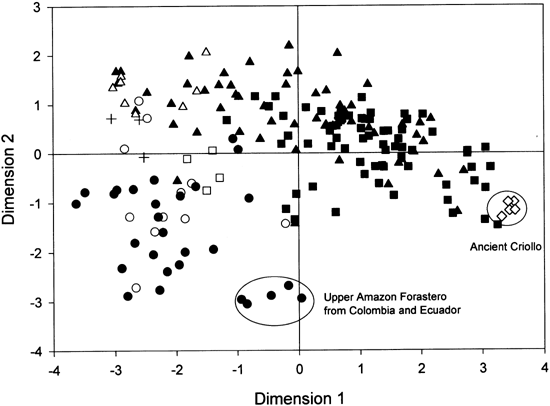
Published in 2002
Future Episodes
A conversation with Shawn Askinosie on the 20th anniversary of our first bean sourcing trip (to Mexico and Venezuela).
Episode Hashtags and Social Media Links
#criollo #forastero #trinitario
#cocoa #cacao #cacau
#chocolate #chocolat #craftchocolate
#PodSaveChoc #PSC
#LaVidaCocoa #TheChocolateLife
#PodSaveChocolate and #TheChocolateLifeLIVE Archives
To read an archived post and find the links to watch archived episodes, click on one of the bookmark cards below.
 Clay Gordon
 Clay Gordon
Become a Premium ChocolateLife Member!
| These offers are available to free members, so subscribe above then click one of the following links. | |
|---|---|
| Team TCL Member Monthly membership | First 2 months FREE (save $10/yr) |
| Team TCL Leader Monthly membership | First 2 months FREE (save $30/yr) |